Your Partner Wakes Up Gasping: What to Notice and What to Do
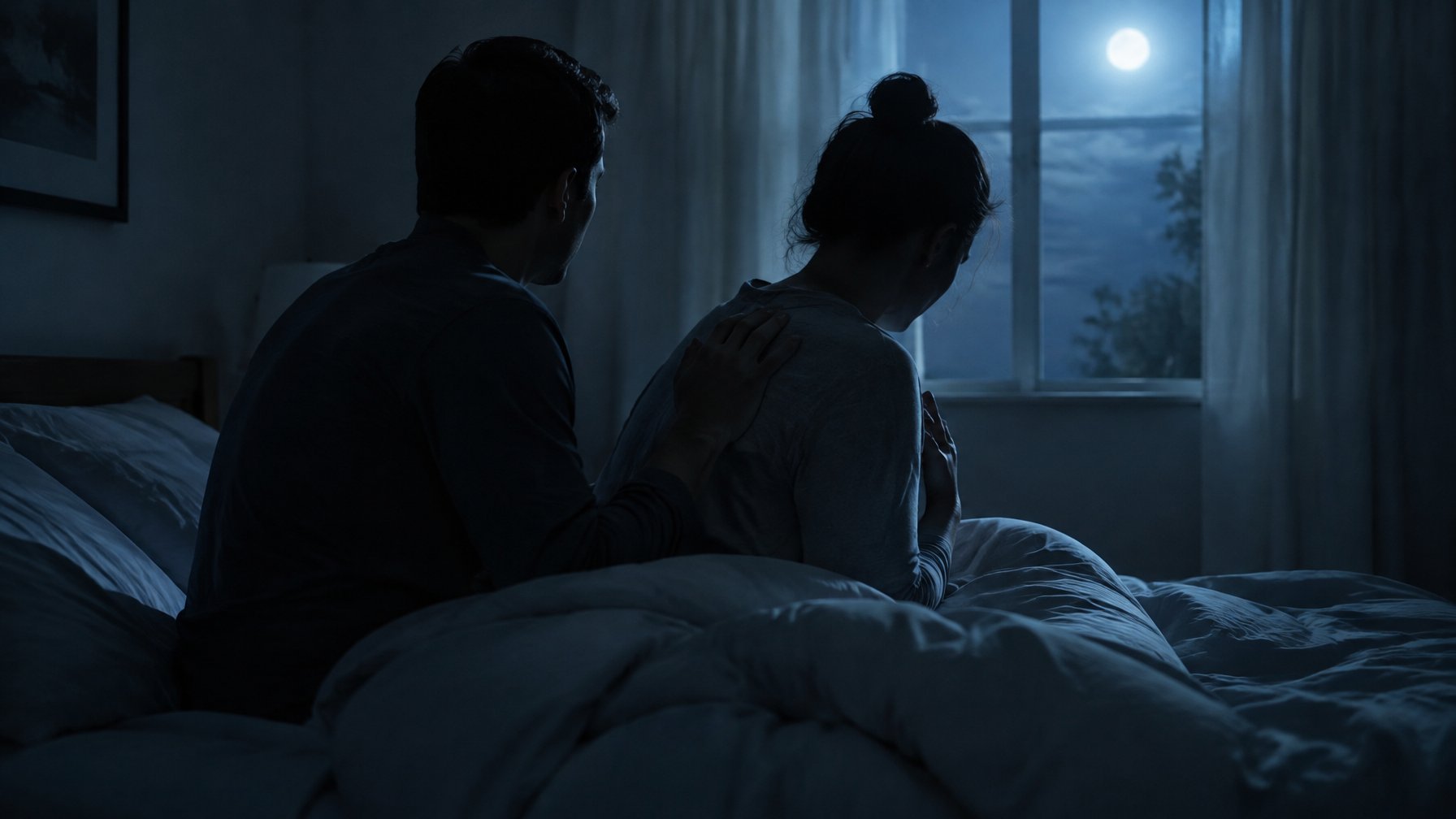
It’s 3 a.m. The person next to you bolts upright, gulps air, and stares at nothing.
You’re awake too now, heart pounding, wondering whether to help or call someone. Here’s a calm plan for the next time, and for the days after.
Key Takeaways
- Stay with them and watch. Most scary wakings pass in a minute or two, but the way they pass tells a story.
- Notice the clues. Snoring and pauses, a sour cough, sudden fear, or swollen legs each point to a different cause.
- Call for help fast. Chest pain, blue lips, or breathing that won’t ease means an emergency call, not a wait-and-see.
What Should You Do in the Moment?
Help them sit up and stay calm. Sitting upright is the natural reaction, and it often eases the feeling right away.
Speak slowly and keep the lights low. Panic feeds on panic, so your steady voice does real work.
If they are confused, can’t speak in full sentences, or look gray or blue, call emergency services. Don’t wait to see whether it passes.
What Clues Should You Notice?
You are the best witness your partner has. They were asleep, and you weren’t.
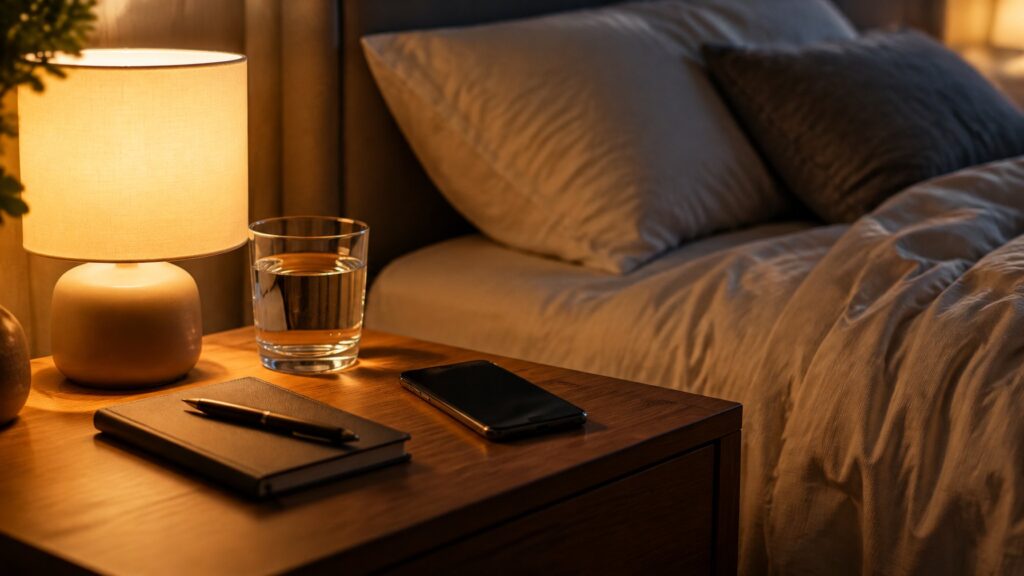
Note what you saw and heard in the minutes before the waking. A short list beats a vague memory when the doctor asks questions.
- Loud snoring that stops, then a snort or gasp. That’s the classic sign of sleep apnea.
- A sour smell, a cough, or a harsh, high-pitched breath right after waking. That fits acid reflux.
- Fear first, with a racing heart, before any trouble breathing. That fits a nocturnal panic attack.
- Swollen ankles, or needing several pillows to sleep. That points toward the heart or lungs.
Why Does the Gasp Happen?
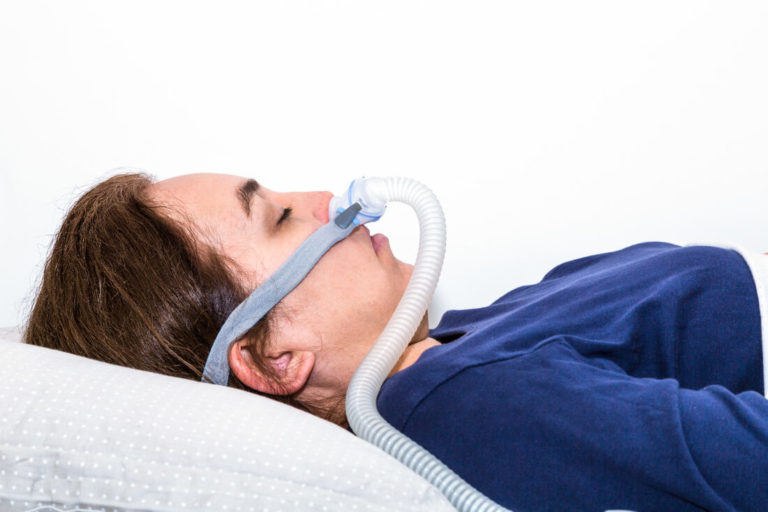
In sleep apnea, the airway narrows or closes and oxygen dips until the brain wakes the sleeper. A Mayo Clinic Proceedings review describes repeated airflow reductions or stoppages from upper airway collapse during sleep.
The gasp is the airway reopening. Your partner may not remember most of these wakings, but you probably heard them.
Our guide to five ways to test for sleep apnea explains what a diagnosis involves.
Could It Be Reflux?
Lying flat lets stomach acid rise. In rare cases it irritates the voice box and the vocal cords snap shut for a moment.
A case report followed a child overnight and recorded acid dropping below pH 4 nine times. Two of those drops were followed by sudden breathing distress with stridor, a harsh, high-pitched sound.
If a sour taste or cough shows up with the gasping, read our post on acid reflux and snoring and mention it to the doctor.
Could It Be Panic?
Yes, panic attacks can wake a person from sleep. A review in Sleep Medicine Reviews reported that 44 to 71 percent of people with panic disorder had at least one nocturnal attack.
The review also describes these attacks as different from sleep apnea and nightmares. Fear tends to come first, then the breathlessness.
Could It Be the Heart or Lungs?
Fluid can build in the lungs when someone lies flat, especially with a weak heart. The person wakes short of breath and feels better sitting up.
A description in the journal CHEST paints the same picture: a person wakes gasping, sits up, and swings their feet over the bed. Lung conditions like COPD can also cause night breathlessness.
New swelling, breathlessness on stairs, or needing more pillows should get checked soon.
What Should You Do the Next Day?
Write down what you saw while it’s fresh. Add the time, the snoring pattern, and how long it lasted.
Then book a visit with your partner’s doctor. A sleep study is the usual next step if apnea looks likely, and weight matters too, so see our post on obesity and snoring.
What Can Help While You Wait?
None of these replaces a diagnosis. They just make nights a little safer.
- Encourage side sleeping, and skip alcohol close to bedtime.
- Raise the head of the bed a little if reflux looks likely.
- Keep a phone nearby and the emergency number handy.
Frequently Asked Questions
Your Next Step: Be the Witness Your Partner Needs
Keep a simple log for a week. Dates, times, sounds, and what helped are enough.
Hand it to the doctor together. A good record can shorten the path to an answer, and quieter nights.