Tape Over the Lips: What a Snoring Partner Should Know Before Bedtime
Your partner climbs into bed holding a strip of tape. You blink, you laugh a little, and then you wonder if it might actually work.
If you are still deciding what to try first, our quiet-night order of operations for snoring lays out the order.
It’s a fair question. The internet says yes, the research says maybe, and the answer hangs on one small organ in the middle of the face.
Key Takeaways
- The nose decides. Tape only makes sense when your partner can breathe through the nose easily, all night long.
- The evidence is thin. A 2025 review found ten studies, and only two showed clear gains in sleep apnea markers.
- Tape is not a test. If you’ve seen pauses or gasps, a sleep apnea test comes first.
- Safer tools exist. Nasal strips, side sleeping and fitted mouthpieces have more behind them.
- Ask a doctor first. Nothing should go over the lips without a quick check.
What the Tape Is Supposed to Do
Picture a mouth hanging open in the dark. Air slides over the tongue and the soft palate, and those tissues rattle like a loose window.
Tape tries to close the window. Lips stay shut, air takes the nose route, and the rattle may fade if the nose can carry the load.
Does It Work? The Honest Scorecard
Here’s what the studies say, in plain terms.
- A 2025 systematic review gathered ten studies and 213 patients. Two showed real gains in apnea markers, the others showed no difference, and some warned about suffocation risk when the nose is blocked.
- A small 2022 study followed 20 adults with mild sleep apnea who breathed through their mouths. Thirteen of them cut their snoring index by half or more with silicone tape on their lips.
- A 2024 pilot trial in couples compared a mouthpiece with a bundle that included tape. Partners called 21 of 23 mouthpiece users much improved, against 11 of 19 in the bundle group.
Notice what’s missing. Nobody has tested tape alone against a dummy strip in a big, careful trial.
Questions to Ask Before Bedtime
You live with the snoring, so you get a vote. Run through these together.
- Can your partner breathe through the nose, calmly, for a full minute?
- Does your partner ever wake gasping, choking or with a pounding heart?
- Can the tape come off in one quick pull, even half asleep?
- Is allergy season or a cold squeezing the nose shut this week?
One “no” to the first or one “yes” to the second is a reason to skip tape and call the doctor.
Your Job on the First Night
You’re the observer here, and that matters. A sleeper can’t report on what happens after the lights go out.

If the lips are taped, listen for panicky breathing, tugging at the tape or sudden waking. Peel it off at the first sign of trouble.
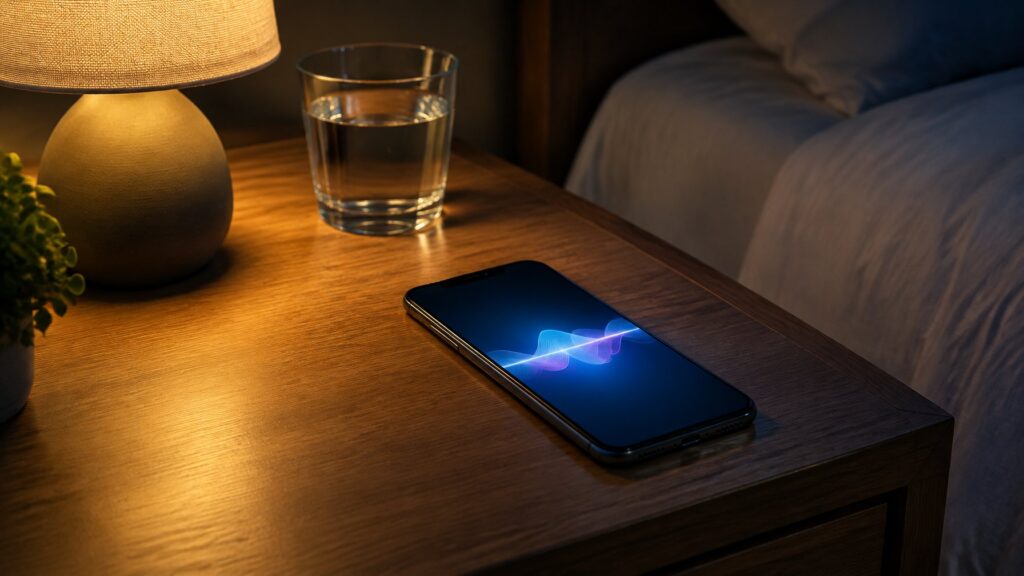
In the morning, jot down what you heard. A phone recording of the snoring gives you something better than a hunch.
Easier Wins to Stack First
The tools below carry less risk and cost little effort. Many couples start here.
Try nasal strips if the nose runs tight. Add Buteyko-style breathing practice in the evening, and work through a few oropharyngeal exercises each day.
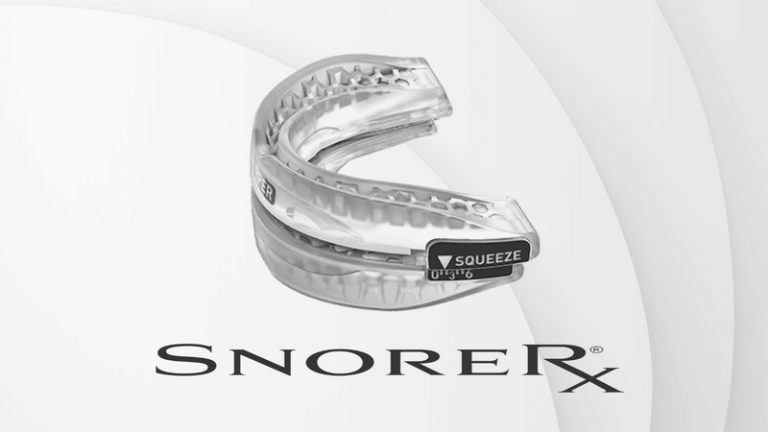
For many people with their own teeth, a dentist-fitted mouthpiece sits at the top of the list.
When Snoring Is Telling You Something Bigger
Loud snoring with gasping, long pauses or all-day exhaustion isn’t a taping problem. Read Is Your Snoring a Sign of Something More Serious? and then book a sleep test.
Tape can’t diagnose apnea, and it can’t treat it. A doctor can.
Frequently Asked Questions
Your Next Step: Check the Nose, Then Decide Together
Tonight, skip the tape and run the one-minute nose test. Write down the result.
If the nose is open and your partner feels fine about it, bring the question to a doctor. If not, pick one easier tool and give it two weeks.