Natural Remedies for Snoring, Graded by the Studies
Nobody wants to pay a stranger to fix a noise that costs nothing to start. So you’re hunting for a free fix, and I respect that.
Here’s the report card. Two natural remedies earn a B, a few get a C, and a handful never sat the exam.
Grades come from published trials, and I only counted what I could open and read.
Snoring is common company. A 2024 review that pooled position-change studies puts occasional snorers at 45% of adults and regular snorers at 25%.
How the Grading Works
A remedy earns points for randomized trials, decent sample sizes, and results a bed partner could hear. It loses points for tiny studies, bundled treatments, and no data at all.
One rule outranks the rest. Snoring that comes with gasping, choking, or exhausting days may be sleep apnea, and no home remedy replaces a sleep study.
The Two B Students
Throat and tongue exercises
The muscles of your throat go soft at night, and these exercises train them to hold their shape. One randomized trial enrolled 39 people, and three months of daily practice dropped the median from 99.5 snores an hour to 48.2.

The comparison group wore nasal strips and did breathing drills, and nothing much changed. Nine studies and 211 adults fed one pooled analysis, which found a 51% drop in loudness among the 80 patients who scored it.
The Cochrane reviewers were pickier. Their verdict was moderate confidence in slightly quieter snoring and very low confidence on how often you snore.
Grade: B. The catch is discipline, because subjects practiced every day for weeks.
Less alcohol near bedtime
Alcohol relaxes the same muscles you’re trying to keep firm.
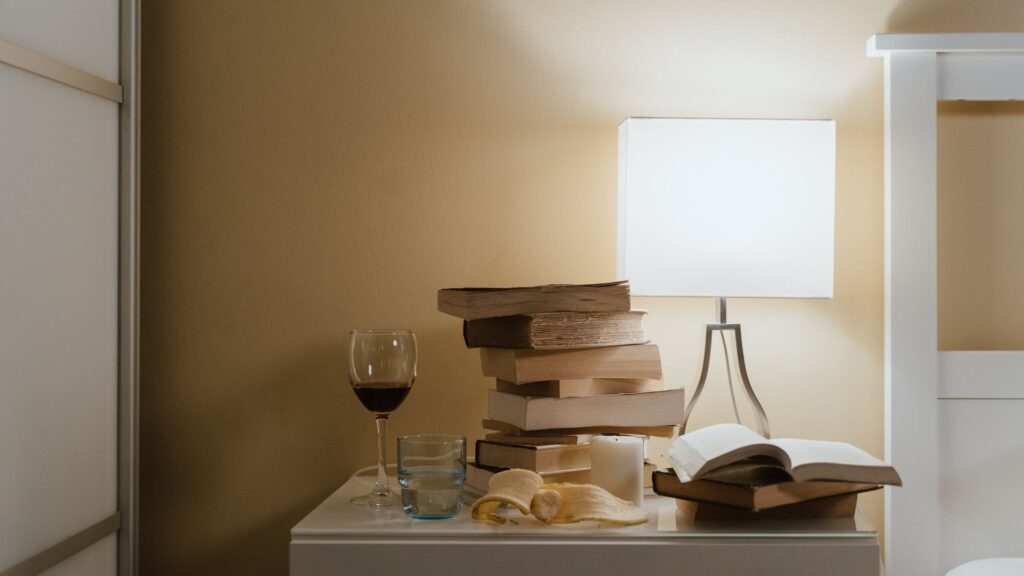
Pooling 14 trials, a meta-analysis of 422 people found it added 2.33 breathing interruptions an hour overall. For snorers specifically the figure was 4.20.
A second pooled review covered 13 studies and 279 people, and alcohol made snoring more severe there too. It also pulled the lowest blood oxygen reading down by 2.72 percentage points.
Grade: B. Moving the last drink earlier costs you nothing but a habit.
The C Students
Staying off your back
On your back, gravity drags your tongue toward your throat. Fifty-five people with position-related sleep apnea took part in a head-to-head trial that compared a tennis ball strapped to the back with a vibrating trainer, the ball reached 42.9% treatment success, while the trainer reached 68%.
People quit, though.
A follow-up of 78 patients heard back from 50 of them after six months. Just 19 were still wearing the ball.
Grade: C. It works while you do it.
Propping up the headboard end
A gentle slope may help the airway stay open. Researchers tilted the head of the bed by 7.5 degrees for 52 sleep apnea patients and saw hourly breathing interruptions fall, with the apnea index sliding from 15.7 down to 10.7.
The effect faded when the tilt stopped. That’s apnea data and not snoring data, so treat it as a hint.
Grade: C. A real wedge or bed riser beats a stack of books.
The D Students
Nasal strips help a stuffed nose feel better, but a pooled analysis of 14 studies found they did not significantly change breathing interruptions or snoring in people with sleep apnea.
Breathing exercises and yoga come with thin snoring data. Pooled data on respiratory muscle therapies from 2020 found snoring frequency improved, but every one of the nine trials was rated high risk for bias, and the therapies came bundled.
Essential oils have one old trial. One double-blind study from 2004 found that a throat spray or gargle cut snoring, going by what bed partners said.
Grade: D across the board. They’re cheap, and they’re unproven.
Incomplete
Searching turned up zero trials where a bedroom humidifier quieted snoring. The same goes for a bowl of hot water under the bed, which adds a burn risk and nothing else.
Skip them, or use the humidifier for comfort and drop the snoring hopes.
Know When to Stop Experimenting
Book a visit if you gasp, pause in your breathing, or crawl through the afternoon. Your doctor can order a sleep test and tell you whether this is more than noise.
If it’s plain snoring, add a gadget after the habits. Our anti-snore pillow ranking shows what’s worth a look.
Pick Two and Keep Score
Choose one B and one C, give them a fortnight, and hold everything else steady. Then ask the person on the other side of the bed for a grade.
A recorder helps. Our write-up of snore apps that work shows how to log the noise, and the throat exercise routine gives you a place to start.