MyPillow or Casper: Which Suits Snorers?
You are the one staring at the ceiling at 2 a.m. Your partner sounds like a lawn mower, and you start wondering whether a different pillow could end the standoff.
MyPillow and Casper both turn up in that search. Here is what each one sells in 2026, what pillows can and cannot do about snoring, and a two-week test that costs you nothing but patience.
The Short Version for Tired Partners
- MyPillow costs less and lets you adjust the loft.
- Casper costs more, runs cooler on paper, and lets you return it within 30 days.
- Neither was built to change your head position, and that is the feature the snoring trials point to.
What You Can Buy Right Now
On Amazon in October 2026, a single MyPillow Classic in standard size ran about $29.98, and a standard pair about $44.98. A Classic queen pair was about $54.98, so shop the size you actually sleep on.
The Classic queen lists a cotton cover, an adjustable loft and a 24-month manufacturer warranty. It holds 4.0 stars across 19,763 ratings.
Casper sells the Original Cooling Pillow for $99 (standard) or $149 (king), with a sale tag of $89.10 on the standard when we looked. It is a pillow-in-pillow with a cover made of half cotton and half TENCEL, recycled fiber fill and a medium-soft feel.
Casper’s own page averages 3.64 out of 5 across 61 reviews. The Sleep Foundation’s write-up of the Casper pillow notes just one firmness level and only average comfort for stomach sleepers.
What a Pillow Can Actually Do About Snoring
Pillows can help, but the trial winners move your head. In a crossover trial with random assignment covering 22 snorers, a pillow that changes head position lowered the snoring index (p = 0.03), and bed partners rated the snoring as better (p < 0.001).
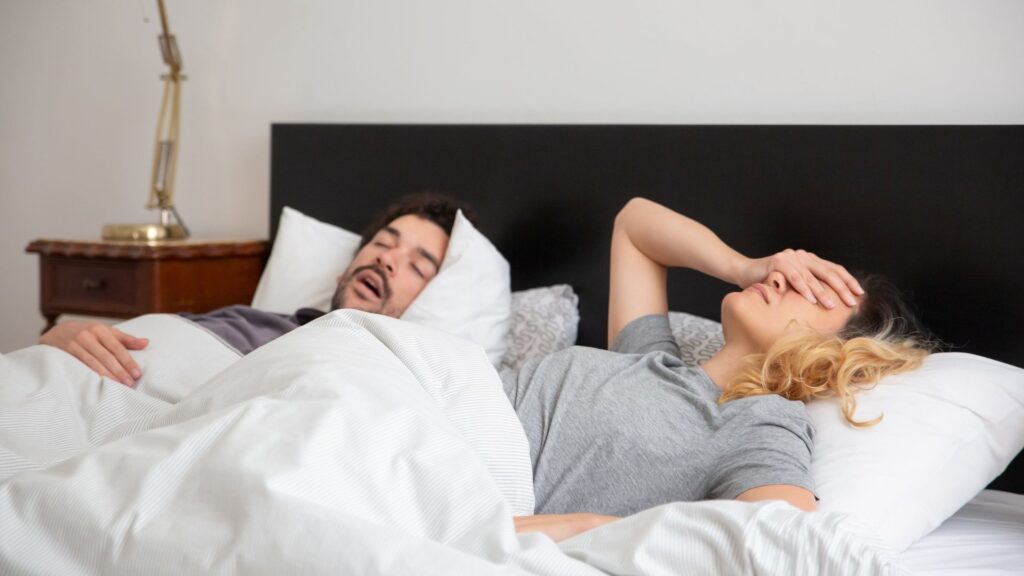
Every participant had sleep apnea ruled out first, and a pillow company supplied the pillows and covered the lab nights. The authors say the sponsor had no role in running the study.
A smaller test tracked adults with positional sleep apnea, 25 in all, across three nights. Wearing a head-positioning pillow took their median snoring index from 218 events an hour down to 115.
A 2024 review of position changes for snoring backs positional therapy as a reliable option. It also admits the evidence is small and short-term, and that pillow tricks may fail if you roll onto your stomach.
A standard pillow cannot nudge you off your back once you are asleep. That is why we treat MyPillow and Casper as comfort buys.
The Paperwork Behind the Ads
Prosecutors from 10 California counties settled with MyPillow in late 2016, and the deal carried roughly $995,000 in penalties. Consumer Reports says the company admitted no wrongdoing.
The deal also barred MyPillow from billing itself as the National Sleep Foundation’s “official pillow” while hiding the money behind that tie. If you remember that claim from the old ads, treat it as history.
A Two-Week Pillow Test You Can Run at Home
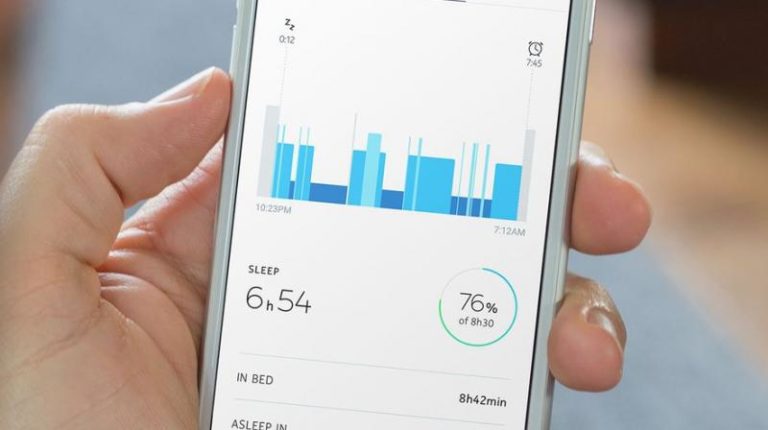
- Nights 1 to 3: record your partner’s snoring on a phone with your current pillow, and note how many times you wake.
- Nights 4 to 10: swap in the new pillow, keep bedtime and alcohol the same, and record again.
- Nights 11 to 14: compare the recordings, then decide whether the change is worth the price or the return shipping.
If nothing improves, try our guide on sleeping without a pillow, or read how a smart pillow reacts when snoring starts.
Loud snoring with choking or pauses deserves a doctor’s visit before any gadget. Our post on when snoring signals something serious explains the warning signs.
Frequently Asked Questions
Let the Two-Week Test Decide
Pick the pillow that fits your budget and sleep position, then let the recordings tell you the truth. A pillow that feels better is a win even if the snoring stays.
If the noise is still shaking the bed, look at anti-snore pillows built to shift your head or the QuietOn 4 earbuds for the listener.