What Is CPAP Therapy? A Realistic Guide to the First Month
CPAP, short for continuous positive airway pressure, is a machine that blows gentle air through a mask to keep your throat open while you sleep. It is the first-line treatment for moderate to severe obstructive sleep apnea, and it works when you use it. The hard part is not understanding it. The hard part is getting through the first few weeks, which is where most people give up.
This guide explains what CPAP does, who it is for, and what the first month usually looks like, so you can set realistic expectations before the machine arrives. It is general information and does not replace advice from your sleep doctor.
What Does a CPAP Machine Actually Do?
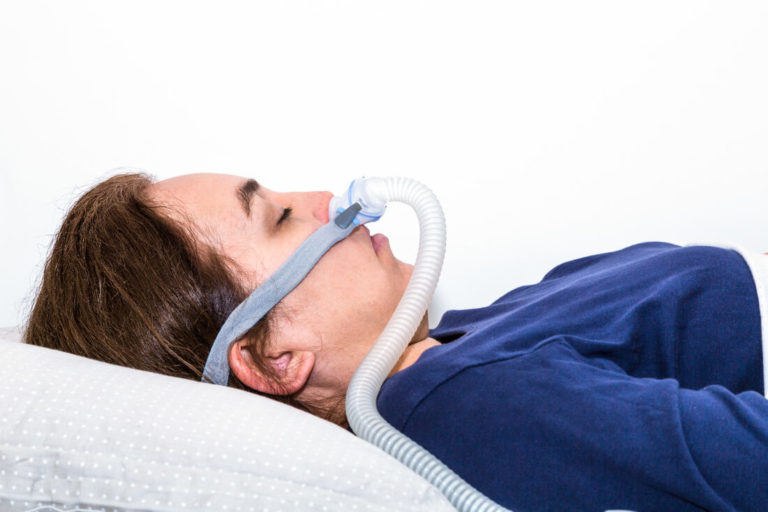
In obstructive sleep apnea, the soft tissue at the back of your throat relaxes and narrows or closes while you sleep. Each blockage briefly stops your breathing, and your brain jolts you partly awake to reopen the airway. A CPAP machine works like an air splint. It sends a steady stream of pressurized air through a hose and mask, and that pressure holds the airway open so the blockages never happen.
A basic setup has four parts: the machine with its motor, a hose, a mask that fits over your nose or nose and mouth, and usually a heated humidifier. The history is worth a quick read in our post on who invented the CPAP.
Who Needs CPAP, and Who Might Not?
CPAP is typically prescribed after a sleep study confirms obstructive sleep apnea. If you suspect you have it, start with the warning signs of sleep apnea and then ask about testing. Our guide to five ways to test for sleep apnea explains your options, and you can find out whether you are a candidate for a home sleep study.
CPAP is not the only treatment. For some people with mild sleep apnea, or people who cannot tolerate a mask, a custom oral appliance or other therapy may fit better. Read what the guidelines say in Mouthpiece or CPAP? before you decide. Plain snoring without apnea does not need CPAP, and only a proper test can tell the two apart.
What Should You Expect the First Night?
Expect it to feel strange. You are lying down with a mask on your face and air pushing in. Most people feel a bit claustrophobic, and some swallow air or wake up with a dry mouth. None of that means the treatment will not work for you. It means your body is learning something new.
Helpful first-night steps include wearing the mask for short stretches while you read or watch television, using the ramp feature so the pressure starts low and rises as you fall asleep, and asking your supplier to check the mask fit before you leave the shop. A mask that leaks or presses too hard is the single most common reason a first night goes badly.
How Long Does It Take to Get Used to CPAP?
Many people need a few weeks to feel at home with it. Here is a realistic outline of the first month.
- Week 1: Focus only on staying in bed with the mask on. Fix leaks and pressure points right away rather than toughing them out.
- Week 2: Sleep is often lighter at first, but daytime sleepiness may start to ease. Adjust the humidity if your nose or mouth feels dry.
- Weeks 3 and 4: The mask starts to feel normal. Many users notice fewer awakenings and less loud snoring.
- After one month: Your provider can download your data to review hours of use, leaks and breathing events, then adjust your settings.
Do not wait for the follow-up if something is wrong. Call your supplier or sleep doctor early.
Why Do So Many People Stop Using CPAP?
The Sleep Foundation notes that nearly half of people prescribed a CPAP machine use it for less than four hours each night. That matters because insurers commonly define adherence as at least 4 hours of use on at least 70% of nights within a 30-day period. The good news is that support works. A review of adherence interventions found that educational, supportive, behavioral and technological approaches each supported about an additional hour of nightly use.
In plain terms, you are far more likely to stick with CPAP if you get help early. Ask for a mask refit, a humidity change or a call-back from the clinic, and consider a program that offers coaching or follow-up.
Common Problems and Simple Fixes
- Mask leaks: try a different cushion size or style, and replace worn cushions on schedule.
- Dry mouth or congestion: raise the humidity and consider a heated hose.
- Feeling bloated: tell your provider, since pressure settings may need adjusting.
- Hard to fall asleep: use the ramp feature and practice wearing the mask while awake.
- Cleaning feels like a chore: a short daily rinse and a weekly wash are all most manufacturers recommend.
If you also grind your teeth or snore through the mask, mention it to your doctor, because both can point to pressure or fit problems worth reviewing.
What Does Better Sleep With CPAP Look Like?
When CPAP is working, you should wake up less during the night, feel more alert in the day, and snore little or not at all. Your partner may notice the difference before you do. Over time, treating sleep apnea lowers the strain that repeated drops in oxygen put on your heart, which is why doctors push so hard for consistent use. Read more about the connection between sleep apnea and heart disease and the complete overview of obstructive sleep apnea.
CPAP Questions Beginners Ask
Your Next Step: Book the Follow-Up
If you are about to start CPAP, put your one-month check-in on the calendar now. If you are still deciding whether you need it, take the first step and ask about a sleep test. Either way, you will sleep better once the airway stays open.
Read next: Mouthpiece or CPAP?, 3 Reasons to Have a Sleep Study Performed and Who Invented the CPAP?.