What CPAP Can (and Can’t) Do for Sleep Apnea
Key Takeaways
CPAP’s clearest wins are daytime ones.
- It does well: cuts sleepiness and snoring, lifts mood and quality of life.
- It does modestly: lowers blood pressure by a few points.
- Still debated: heart attack and stroke prevention.
- The catch: it only works on nights you wear it.
Your doctor said the letters CPAP. Now you want to know what it will really do.
This guide sticks to the evidence, the good and the not so good. It’s educational and doesn’t replace your doctor’s advice.
What Obstructive Sleep Apnea Is
Your throat muscles relax in sleep and the airway narrows or closes. Breathing pauses, then restarts.
If you served, see how CPAP use connects to VA ratings for sleep apnea.
It’s common. A [2019 global estimate30198-5)] put about 936 million adults aged 30 to 69 at mild to severe OSA.
Read the clues to look for and the basics. Diagnosis takes a sleep study, so see what happens overnight.
How CPAP Works
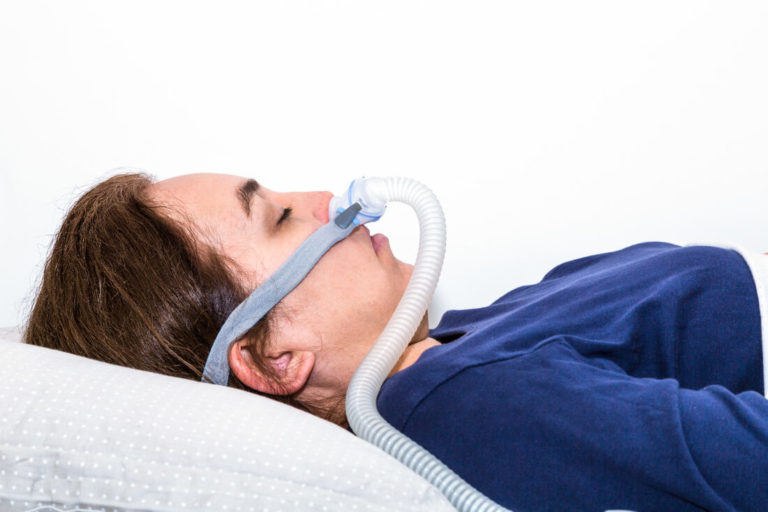
A machine pushes steady air through a hose and mask. Mayo Clinic says that pressure keeps your airway open.

It’s a treatment, not a cure. Stop using it and the apnea returns.
What the Research Says
| Outcome | What the Evidence Shows |
|---|---|
| Sleepiness and snoring | Reduced in the large SAVE trial, with better mood and quality of life |
| Blood pressure | About 2 mmHg lower over 24 hours in a meta-analysis |
| Heart attack and stroke | Not clearly reduced overall, though use of 4 or more hours a night did better |
| Death from any cause | Lower with PAP in a 2025 meta-analysis, but trials alone were less clear |
Sources include the SAVE trial, a blood pressure meta-analysis and a [2025 mortality meta-analysis00002-5)].
The honest summary: CPAP reliably improves how you feel. The long-term heart benefit likely depends on using it enough.
Who It’s For
Most adults with moderate to severe OSA. It’s often offered for milder cases when symptoms bother you.
Struggling with the mask or forced air? Tell your care team early.
A new mask or pressure often fixes it.
Side Effects and Fixes
- Dry mouth or nose: a heated humidifier often helps
- Leaks and skin irritation: refit or change the mask style
- Feeling trapped: practice wearing it while awake
- Sore throat on waking: dry air is a common cause
See why you wake with a sore throat and what the first month looks like.
If CPAP Isn’t for You
NHLBI lists oral appliances and, in some cases, surgery. Compare them in mouthpieces versus CPAP.
CPAP Benefit Questions
Your Next Step: Give It Real Nights
Wear it most of the night, most nights.
That habit is what the research keeps rewarding.