What Happens During an Overnight Sleep Study?
Key Takeaways
An overnight sleep study is painless, and an imperfect night of sleep usually doesn’t ruin it.
- The setup: sensors record brain waves, breathing, heart rate, oxygen and movement.
- Before you go: skip afternoon naps, caffeine and alcohol, and leave lotions and makeup off.
- Good news: you don’t need a perfect night for useful results.
- Alternative: some people qualify for a test at home.
Picture a hotel room that’s gone quiet. The bed is made, the lights are low, and a technologist is pressing little sensors to your scalp.
That’s a sleep study, and it’s less strange than it sounds. This guide is educational and doesn’t replace advice from your doctor or sleep center.
Who Gets Sent for One?
Your doctor decides. The National Heart, Lung, and Blood Institute says sleep studies help diagnose sleep-related breathing problems such as sleep apnea, along with movement disorders and conditions that cause extreme daytime sleepiness.
Veterans can also read how a sleep study becomes evidence in a VA disability claim for sleep apnea.
If loud snoring and gasping sound like your nights, read the warning signs of sleep apnea first. Then see why doctors order a sleep study.
Lab or Living Room?
| Question | In a Sleep Center | At Home |
|---|---|---|
| Where | A private room, overnight | Your own bed |
| What it records | Brain waves, breathing, oxygen, heart rate, body position, leg movement, snoring | Breathing rate, airflow, oxygen and heart rate |
| Who helps | A technologist watches all night | You put on the sensors yourself |
| Best for | Sleep apnea and other sleep disorders | Mainly obstructive sleep apnea |
Mayo Clinic notes that if a home test falls short, you may be sent to a lab. See who qualifies for a home test.

Does Home Testing Hold Up?
Researchers checked. A trial of 373 adults compared home testing plus home auto-CPAP against a lab study plus lab titration.
At three months, the home group wore CPAP about 4.7 hours a night. The lab group wore it 3.7 hours. About 62.8% of the home group used it at least 4 hours a night, against 49.4% in the lab group.
The authors called the home route not inferior for acceptance, adherence and time to treatment, per the HomePAP trial abstract.
Those adults were likely to have moderate to severe apnea. Your doctor decides if that fits you.
Before You Go: A Short Checklist
- Skip alcohol and caffeine in the afternoon and evening.
- Skip the nap.
- Shower if asked, and leave off lotions, gels, colognes and makeup.
- Pack your own pajamas and bedtime things.
- Bring a list of your medicines, and ask whether to take them as usual.
The Night Itself
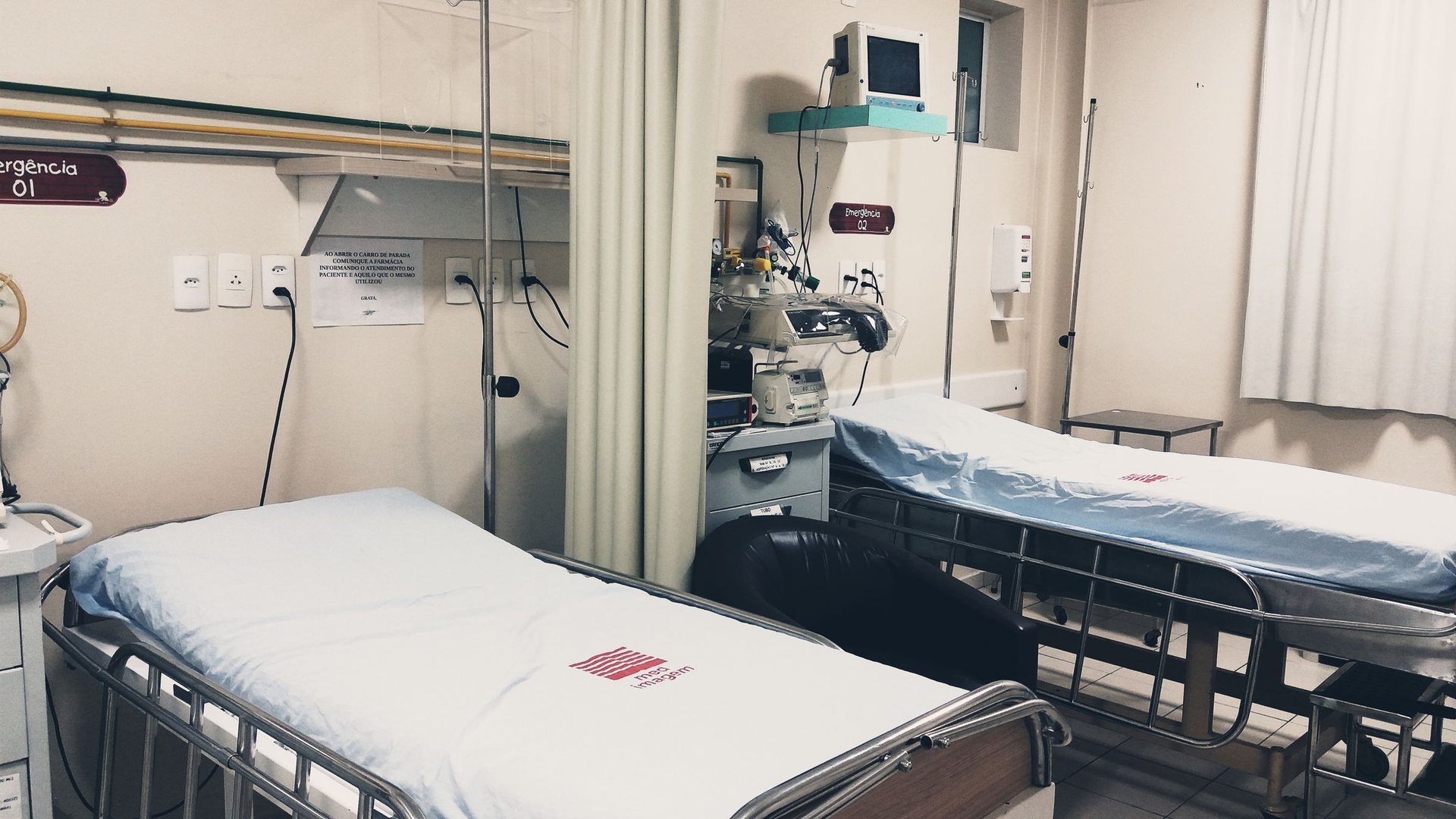
You show up in the evening. The room is dark and quiet, the bathroom is private, and a low-light camera and speaker let staff talk with you.
A technologist attaches sensors to your scalp, temples, chest and legs with mild adhesive. A small clip on a finger or ear reads your oxygen.
The wires are long enough to roll over. If you need the bathroom, staff can come in and free the tangles.
What the Sensors Pick Up
- Brain waves and eye movement
- Heart rate and breathing
- Blood oxygen
- Body position, chest and belly motion
- Leg movement
- Snoring and other noise
If You Can’t Sleep
Mayo Clinic says you probably won’t sleep as well as you do at home. That usually doesn’t affect the results, and a full night isn’t required.
\n\n\n\nSleep also cycles between non-REM and REM about every 90 minutes, Mayo Clinic says. A broken night still records real cycles.
Some centers let you try a CPAP or BPAP device partway through the night if you show signs of sleep apnea, and that data can guide a machine prescription later.
For the basics, see what CPAP therapy is like in the first month.
The Morning After
The technologist removes the sensors. Mayo Clinic says you can leave and get back to your day.
Your skin may feel a bit irritated where the adhesive was. The NHLBI says that risk is small and fades once the sensors come off.
Book your follow-up before you leave. That visit is where you get your results.
Want company for the night? Read whether someone can stay with you during a sleep study.
Daytime Tests Your Doctor Might Add
The NHLBI describes two. A multiple sleep latency test uses naps to measure how fast you fall asleep, and a maintenance of wakefulness test checks how well you can stay awake.
Getting Your Results
A technologist charts your sleep stages first. Your provider reviews the data, and you talk it over at a follow-up visit.
Mayo Clinic says timing varies, from a few days to a few weeks, so ask when you book. If a disorder turns up, your doctor builds a treatment plan, and that matters because the NHLBI links untreated sleep disorders with heart failure, high blood pressure, stroke, diabetes and depression.
Sleep Study Questions
Your Next Step: Make the Call
If loud snoring, gasping or heavy daytime sleepiness sounds like you, ask your doctor about testing.
The night in the lab is the short part.
Not sure what you’re dealing with yet? Read what sleep apnea is, or check whether your morning sore throat is a sleep clue.