Can an Air Purifier Quiet Your Snoring?
Your bedroom air looks clean. It isn’t, quite.
For more on allergy season, read how seasonal allergies affect your nights.
Dust, pollen, pet dander and smoke drift down your airways while you sleep, and a purifier promises to catch them. The question is whether that quiets a snorer.
The honest short answer
A purifier won’t cure snoring on its own. We couldn’t find a trial showing that purifiers reduce snoring.
What it can do is calm allergy-driven stuffiness, which is one of several things that can make snoring worse.
What the best trial found
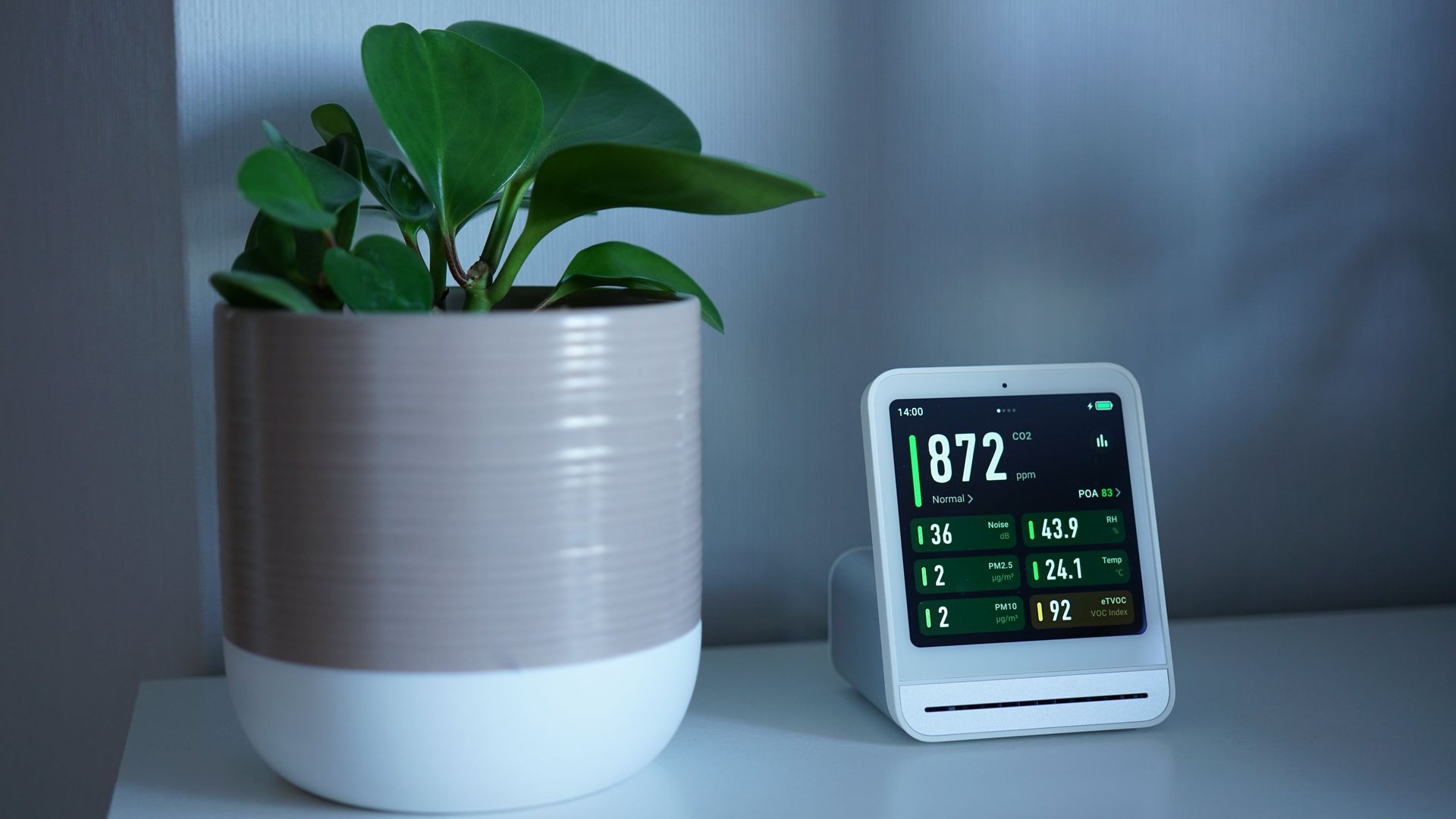
Researchers put HEPA purifiers in the homes of adults with dust mite allergy for six weeks, with sham units as the control, and reported results in the Yonsei Medical Journal. Bedroom PM2.5 fell by up to 51.8%.
People with the working units used less allergy medication. Their symptom, visual analog and quality-of-life scores, however, didn’t beat the sham group.
How to shop without getting fooled
- Look for HEPA. The EPA calls HEPA filters a common way to reach a high clean air delivery rate for particles.
- Check CADR against room size. The EPA chart, which assumes 8-foot ceilings, lists about 65 cfm for 100 square feet and about 390 cfm for 600.
- For smoke, buy a high tobacco-smoke CADR. For odors and gases you need activated carbon, and thicker carbon beds do better.
- Skip ozone makers. The EPA advises against units that deliberately produce ozone, which irritates the lungs.
What a purifier can’t replace
The EPA says the best ways to clean indoor air are removing pollutant sources and ventilating with clean outdoor air, with filtration as a supplement. Wash bedding, vacuum, and keep pets off the pillow.
Snoring every night, gasping, or waking exhausted? That calls for a doctor. Start with mouthpieces versus CPAP.
Placement and upkeep
WebMD says a single unit belongs in the room where you spend the most time, out in the open. Swap or clean the filter every 6 to 12 months.
Machines to avoid
Skip anything that makes ozone, uses ionization or relies on electrostatic precipitation. WebMD warns these can degrade the air you are trying to clean.
A HEPA filter is the safer pick, since WebMD says HEPA units have been shown to lower fine particles indoors.
Allergies are the real link
Healthline lists treating allergies to cut congestion among its snoring tips. That is where a purifier may earn its place.
Your bedroom checklist
- Measure the room.
- Match a HEPA unit’s CADR to it.
- Run it every night with the door closed.
- Wash the bedding weekly.
- Reassess your snoring in two weeks.
Frequently Asked Questions
More on the topic
- US EPA: Guide to Air Cleaners in the Home
- US EPA: Air Cleaners and Air Filters in the Home
- Park et al., Yonsei Med J 2020: Air purifiers in allergic rhinitis
Related reading: Why Your Nose Clogs the Moment You Lie Down and Nasal Strips for Snoring: A Straight Answer Before You Buy a Box.