Nitetronic Nitelink2 App: A Reality Check
Your pillow listens, your phone watches the numbers, and somewhere in the middle an app has to behave. The Nitelink2 app is free, it’s old, and it belongs to one specific pillow.
If you own a Nitetronic goodnite, it still does the job. If you’re shopping now, you’ll meet its newer cousin instead.
The App in Brief
Nitelink2 is an iPhone app from Shanghai BackRobo Wellness. The App Store listing names one pillow, model GN02-6000, and the last update dates to April 2022.
It talks to the pillow over Bluetooth and logs snoring time, volume, and head position. When the pillow hears a snore, it fills its air cells and tilts your head.
Old compatibility lists for this app have gone stale. Confirm your phone works by reading the store page.
The Newer App
Nitetronic’s current pillows use a different app, simply called Nitetronic. It’s free.
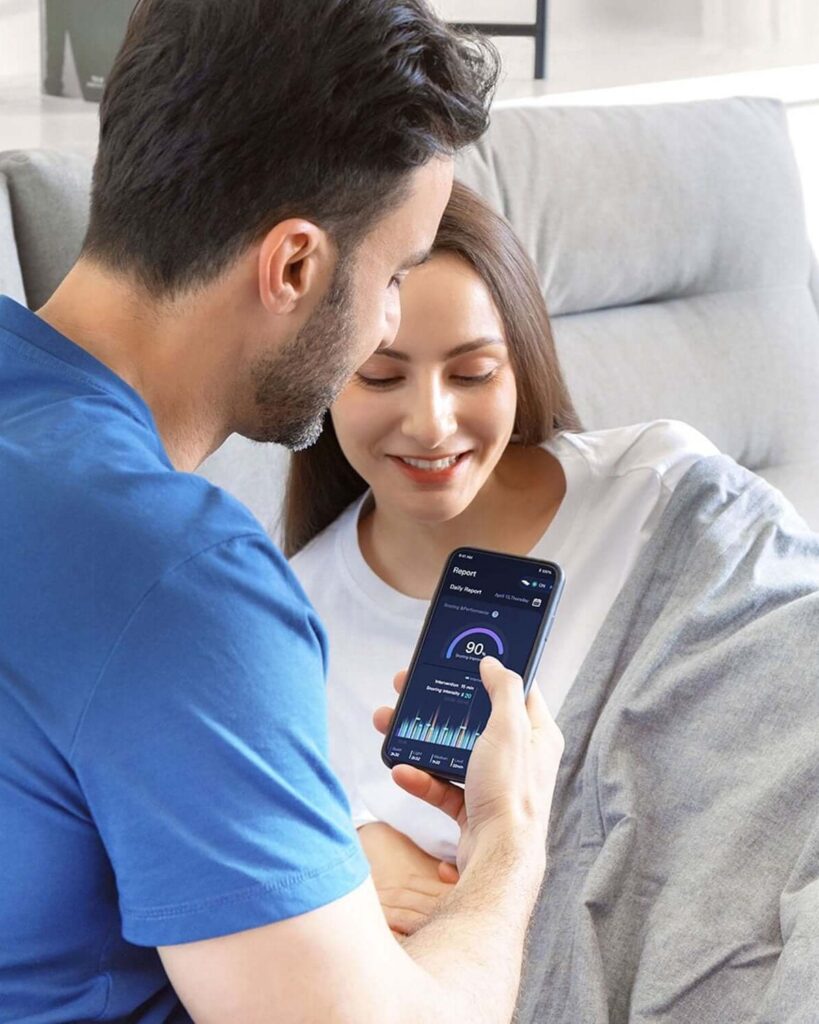
The listing shows release 1.5.17, published by AIWORKS Global, and asks for iOS 13 or newer.
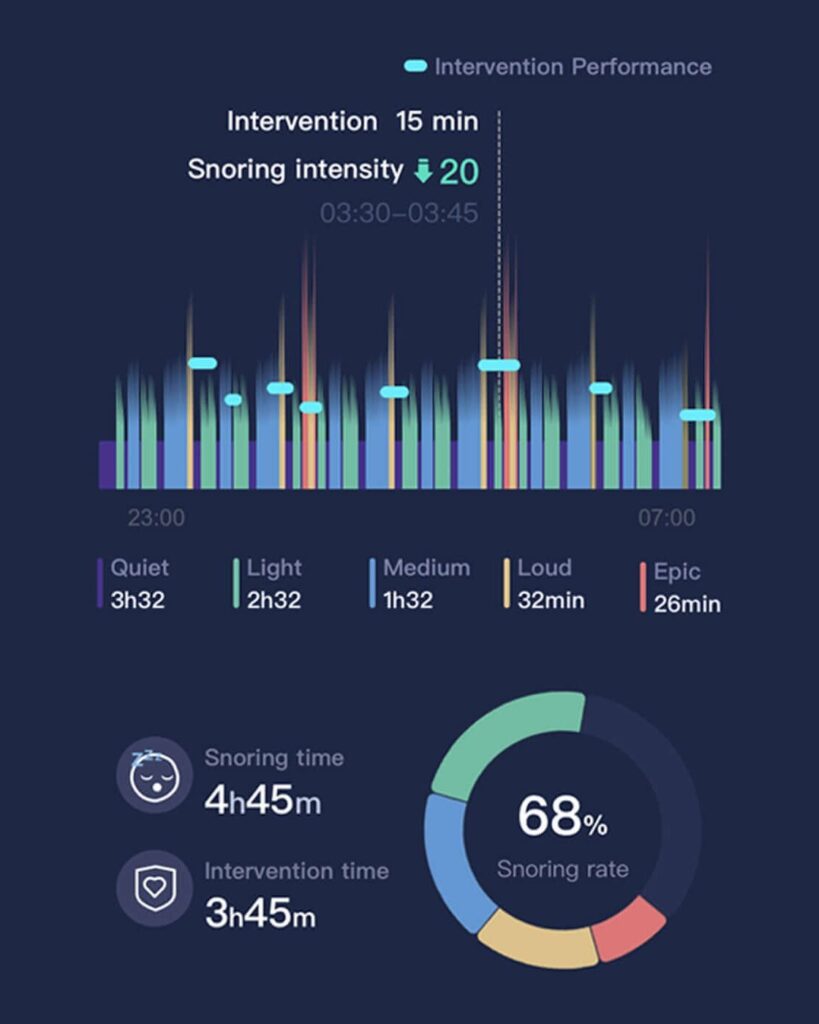
The company’s app page says it records sleep time, snoring time and intensity, and lets you tune detection sensitivity and inflation strength. The Z6 page adds intensity labels from Quiet and Light up to Medium, Loud and Epic.
Nitetronic also says a relative can look at your numbers from afar. That’s handy if your partner wants receipts.
What Owners Say
The mood is sour. The App Store shows just eight ratings, and they add up to a 1.0 average.
Reviewers say it forgets the pillow, drops its connection, and logs snores in an empty room. Eight reviews isn’t a study, but the complaints sound familiar.
Phone-based snore tracking has always struggled with noise. Researchers who tested sleep apps in Germany found they do well in a quiet lab and badly around traffic and talking.
Does the Pillow Idea Hold Up?
Some of it does. A crossover trial gave 22 snorers a head-moving pillow, and the lab’s snoring score improved (p = 0.03).
A pilot study of 30 patients saw gains in mild-to-moderate apnea but not in severe apnea.
The 2024 literature review liked positional devices but asked for direct comparisons.
None of that tests the Nitelink2 app itself. It tests the pillow concept.
Buy or Skip?
If the app’s reviews bother you, wait. Here’s what Nitetronic’s own site lists in October 2026: the Z6 at about $549 (reduced from $699), the Z1 at about $499, and the A1 from roughly $359 for the 2026 model.
The homepage mentions a trial period of 30 nights and free US shipping. Read the return terms before you commit.
Make the Data Work for You
Whichever app you land on, treat its charts as a trend line. Record a baseline, change one thing, and compare.
Want another recorder? Our guide to snore apps that work and the older smart pillow story are good starting points.
If you’re comparing pillows, see our ranked anti-snore pillow list.