Mouthpiece or CPAP? What the Guidelines Say About Snoring and Sleep Apnea
Key Takeaways
CPAP lowers AHI more than an oral appliance does.
- In trials, both improved sleepiness and quality of life about equally in mild to moderate cases.
- People tend to wear oral appliances more hours a night.
- CPAP stays the first choice for severe apnea.
- Get diagnosed before you buy anything.
CPAP or a mouthpiece? The honest answer depends on how severe your sleep apnea is.
What the Evidence Shows
A 2024 randomized trial found people wore an oral splint 6.0 hours a night, against 5.3 hours with CPAP. CPAP still lowered the AHI more. CHOICE trial
Earlier work found health outcomes were similar after a month, even though CPAP cut AHI further. Phillips et al.
When CPAP Is the Better Choice
Severe apnea, with an AHI over 30, usually needs CPAP. It works on the airway with pressure and doesn’t depend on your jaw or teeth.

Read what CPAP can and can’t do.
When a Mouthpiece Makes Sense
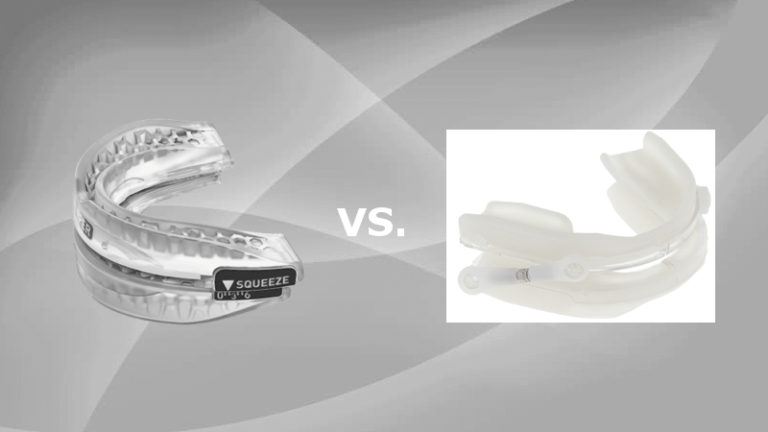
Mild to moderate apnea, or CPAP you can’t tolerate, are the usual reasons. A dentist trained in sleep medicine should fit a custom device.

Store-bought versions are not a substitute for a diagnosis. See do stop-snoring mouthpieces work and is your mouthpiece FDA approved.
Why Some People Use Both
In the same trial, 55% of people who had both chose to alternate between them over six months. That flexibility can keep treatment going.
Confirm It Works
Ask for a follow-up sleep study after starting any treatment. Feeling better is not the same as a lower AHI.