What Happens During an Overnight Sleep Study?
A walk through the night: the checklist, the sensors, the room and how you get your results.
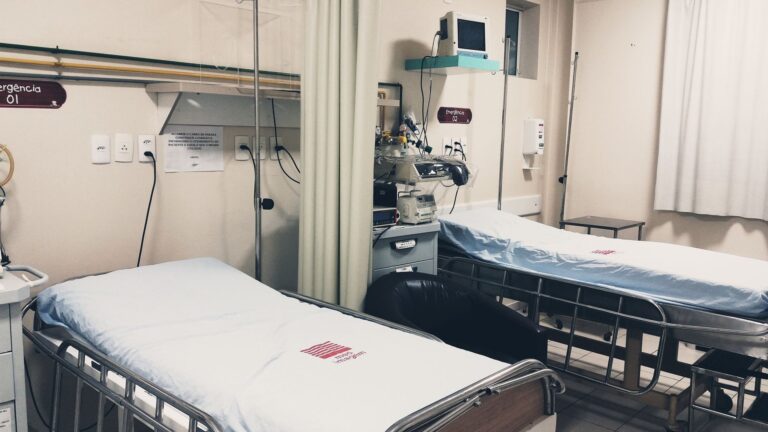
A walk through the night: the checklist, the sensors, the room and how you get your results.

A raw throat that fades by lunch can point to snoring and an open mouth at night. Here’s what the research found and what to do about it.
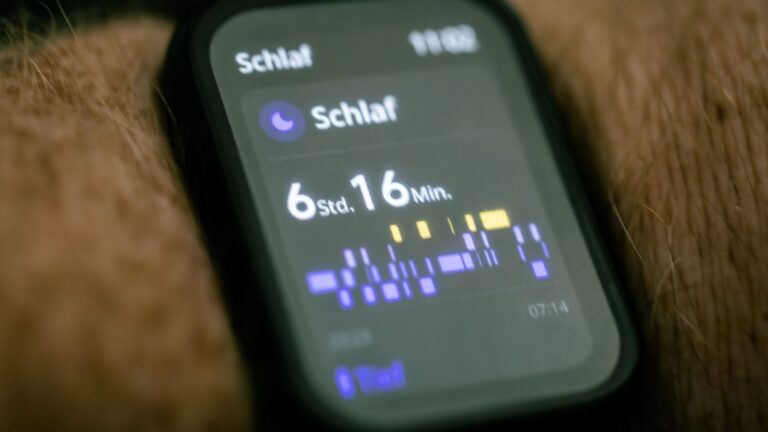
Key Takeaways Your CPAP machine records AHI and mask leak every night. Your CPAP is already collecting the data you need. You can use it to see if a position change helps. What to Track Most machines record AHI, leak rate and pressure. Apps such as MyAir and OSCAR make them readable. Set a Baseline…

Key Takeaways Snoring is noise from vibrating throat tissue. Snoring and sleep apnea are related, but they aren’t the same thing. One is noise, and the other is a medical condition. What Snoring Is Air squeezes through a narrowed airway and the soft tissue vibrates. It’s the sound you hear. It can come from a…
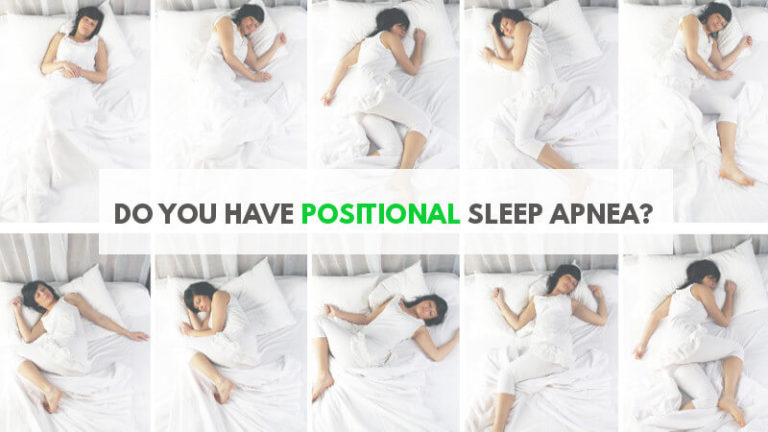
Key Takeaways Positional sleep apnea means your back-sleeping AHI is at least twice your side-sleeping AHI. Some people stop breathing mostly when they sleep on their backs. That pattern has a name: positional sleep apnea. If it’s yours, position is one of the cheapest fixes you have. What Positional Sleep Apnea Means Doctors call it…
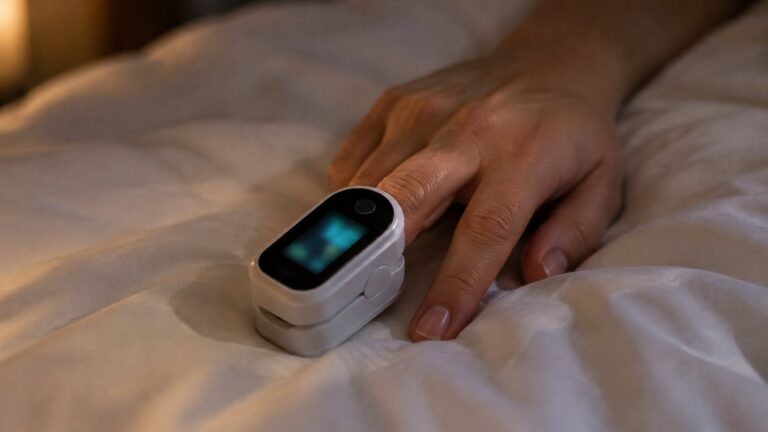
Key Takeaways Awake, a healthy reading is usually 95% to 100%. You glance at your oxygen app at 3 a.m. and see a number that scares you. Take a breath, because one reading rarely tells the story. Here’s what to look at instead. What a Normal Reading Looks Like Awake, most healthy people sit between…

Key Takeaways Sleep-related breathing disorders include obstructive sleep apnea, central sleep apnea, sleep-related hypoventilation and sleep-related hypoxemia. If you snore, gasp or wake exhausted, you may have a sleep-related breathing disorder. There are four main types. What Counts as a Breathing Disorder It is any condition where breathing becomes abnormal during sleep. That includes pauses,…
The American Sleep Apnea Association became the Wellness, Sleep & Circadian Network. Here is who they are and what programs can help you.
Weight, exercise, alcohol and sleep position all matter for sleep apnea. See what research says each can do and why they work best alongside treatment.
Most adults sleep alone during an overnight sleep study, but rules differ by center. Here’s how to ask, what to pack and how to settle in.

Loud snoring is the famous sign, but sleep apnea hides in other places too. Learn the clues, the questionnaires doctors use and when to ask for a test.
Sleep apnea is a common condition in which breathing stops and restarts many times during sleep. Each pause can reduce the oxygen reaching your body and pull you out of deep sleep, usually without you remembering it. That is why so many people with sleep apnea simply wake up tired and never know why. The…