Why Your Nose Clogs the Moment You Lie Down
You lie down, and within minutes your nose clamps shut. It isn’t in your head, and it isn’t just a cold.
This is how the nose behaves when you go horizontal, and what to do about it.
Lying Down Swells The Nose
A meta-analysis of 9 studies and 291 people found that recumbency raises nasal resistance and cuts airflow (Calvo-Henríquez 2021). The effect was bigger in snorers and people with sleep apnea.
Some people only feel it at night. Among people with night-time congestion but a clear nose by day, smokers and people with rhinitis saw the biggest jump when they lay down (Stroud 1999).
Your Side Matters Too
Side sleeping can clog the lower nostril. In one study, resistance rose from sitting to supine to side-lying (Tong 2020).
If one nostril always fills, flip sides during the night, or open the nose with a strip. Our nasal strip reality check tells you who they suit.

A Simple Nightly Routine
Start with saline spray or rinse. If you rinse, use distilled or sterile water, or tap water boiled for a minute and cooled (CDC).
Precaution on sprays: decongestant sprays work quickly, but the US label limits oxymetazoline to 3 days, and a review found no rebound with up to 7 days (Hagen 2025). Keep it short.
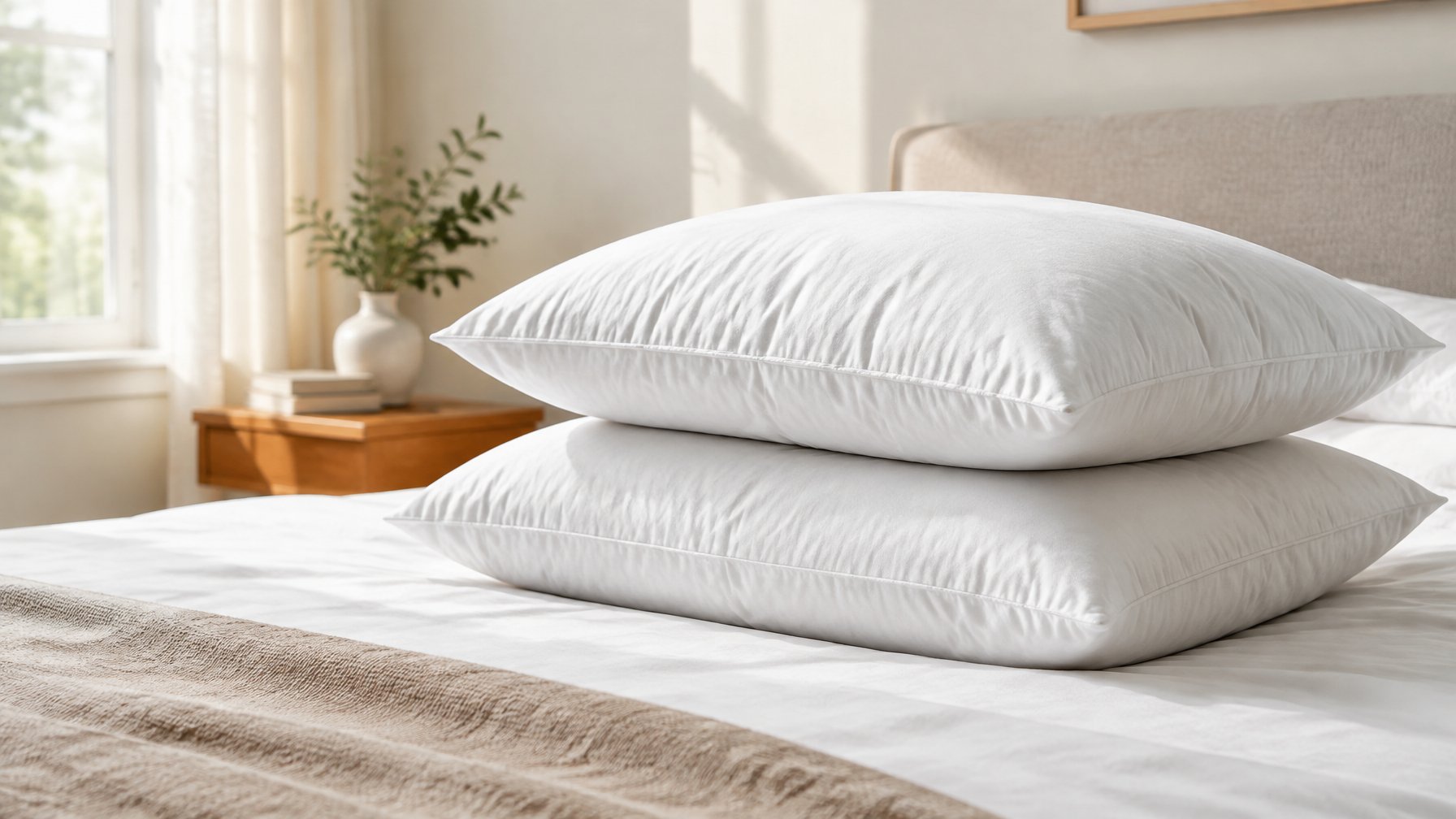
If allergies are behind it, look at our posts on seasonal allergies and snoring and allergy-friendly air. A wedge of stacked pillows can help you feel less stuffed up.
For the complete treatment ladder, read SnoringHQ on treating a blocked nose at night. The evidence-first angle is Snore Mentor on nasal resistance and posture.
Frequently Asked Questions
Frequently Asked Questions
Small Changes, Clearer Nights
Treat the nose first, then fix the sleeping setup.
If one side stays blocked for weeks, get it checked.
Related reading: Dry Throat After a Snoring Night: What the Morning Is Telling You and How Fast Should You Breathe Asleep? A Partner’s Guide to Counting.