What Your Oxygen Reading Means at 3 A.M. (and What to Ignore)
You wake up, glance at your ring or watch, and see 91%. Should you panic?
Almost never.
Overnight oxygen numbers run lower than most people expect, and a single dip says very little.
Normal Is Lower Than You Think
In 350 people with normal sleep studies, the typical overnight reading was 96.5%, and the average lowest reading was 90.4% (Gries & Brooks 1996). People over 60 sat a little lower, near 95.1%.
A dip to about 90% for a moment can be completely ordinary. A smartwatch study of 33,080 people found overnight readings ran about 0.8% below daytime ones (Shapiro 2023).
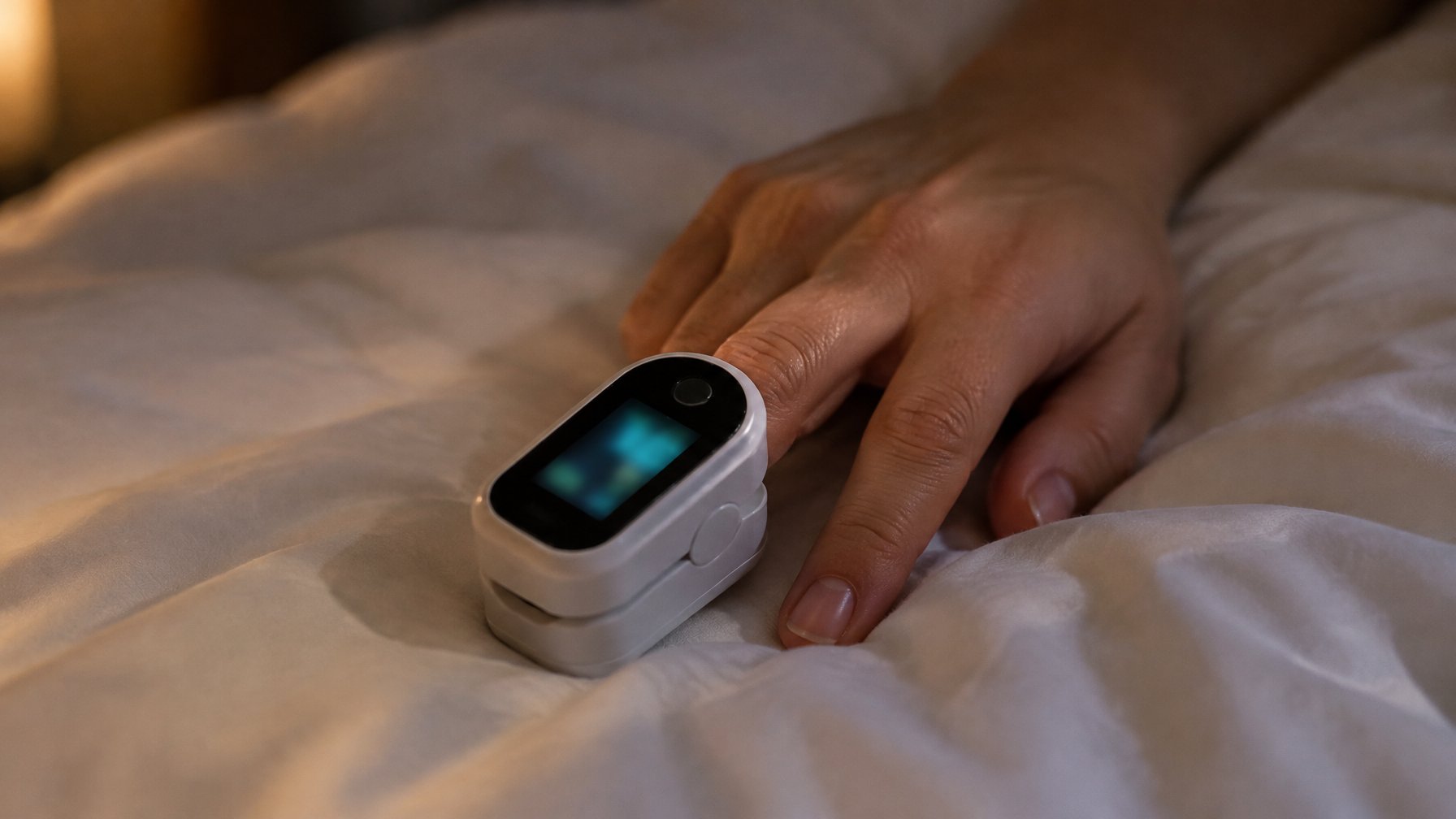
When A Number Deserves Attention
Length matters more than depth. Sleep clinics track T90, the share of the night spent below 90% (Chiovatto 2026).
In 4,886 adults followed for about 10.7 years, lower average nighttime saturation was linked with a higher risk of death from any cause (Yan 2023). That shows a link, not a cause, but it’s reason enough to take repeated lows seriously.
Gasping, choking and daytime fog plus repeated dips add up to a sleep-test conversation. Our post on breathing trouble by day and bad sleep by night explains how lung issues fit in.
Don’t Trust One Glitchy Reading
Wrist devices make mistakes. In a study of 97 adults, one popular smartwatch was off by about 2.3 percentage points and discarded 26.5% of its data (Jung 2022).
Oximetry-based gadgets catch most people with sleep apnea but also flag many without it, with 93% sensitivity and 63% specificity for consumer wearables (Dantas 2025). A scary graph is a reason to ask for a test, not a diagnosis.
Readers who like the evidence-first view can try Snore Mentor on overnight oximetry accuracy.
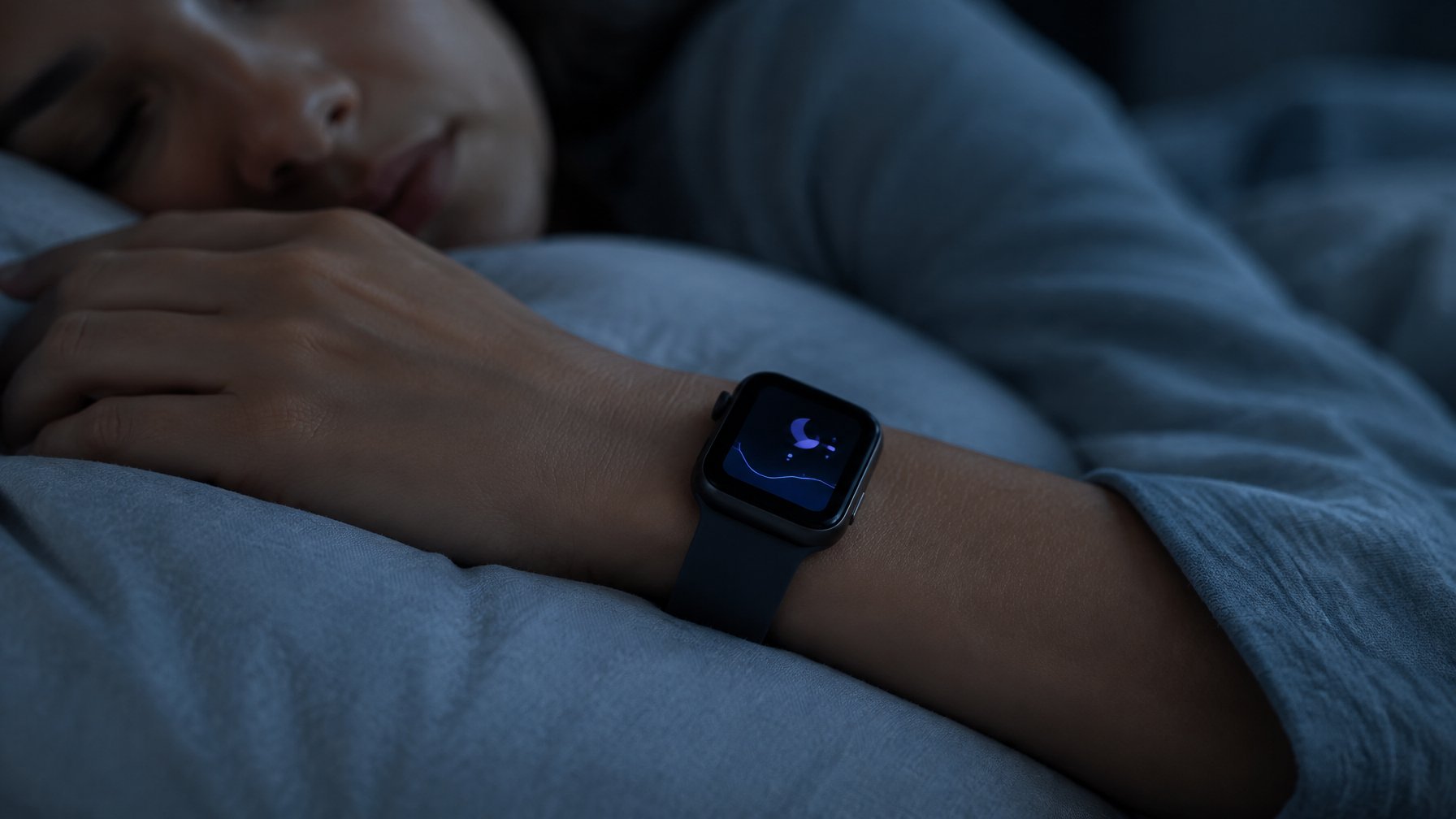
Curious about breathing speed too? See how to count your breaths in your sleep, and read SnoringHQ’s full guide to normal oxygen levels during sleep. If you already use a device for apnea, our ZQuiet and sleep apnea post sets realistic expectations.
Frequently Asked Questions
Frequently Asked Questions
Read The Trend, Not The Panic Number
Track a few nights before drawing conclusions.
If the pattern keeps looking worrying, take it to your doctor.
Related reading: How Fast Should You Breathe Asleep? A Partner’s Guide to Counting and Dry Throat After a Snoring Night: What the Morning Is Telling You.