Is Snore Guard Worth It? A Review
You’ve lain awake listening to the rumble long enough to try almost anything that comes in a plastic case.
Snore Guard is one of those cases, and the short answer is that it’s hard to justify chasing one down today.
Here’s the full picture, so you can decide without wasting a week on backorder pages.
What You Would Be Buying
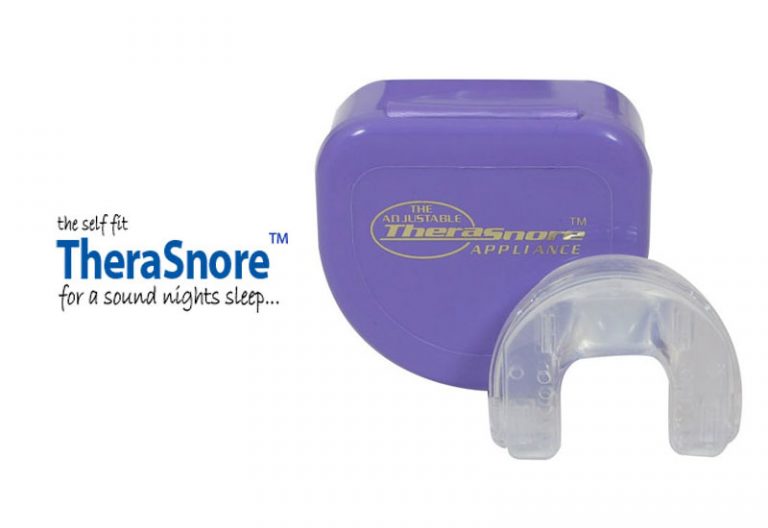
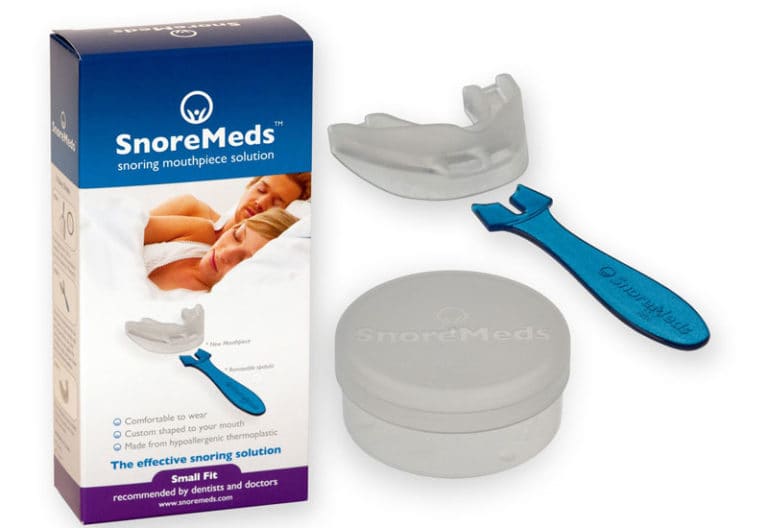
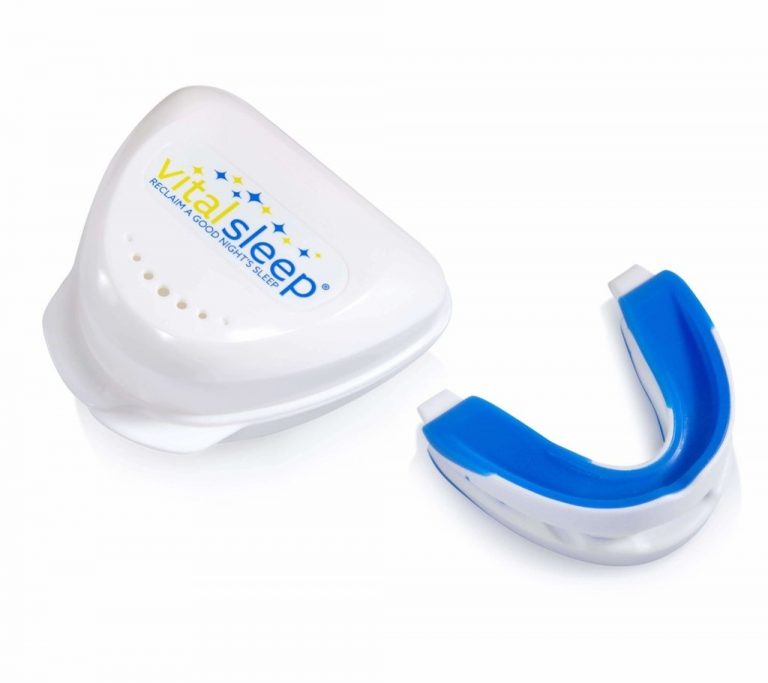
Snore Guard is a one-piece mouthpiece that sits over your upper teeth. A ramp on the front of it rests against your lower front teeth and nudges the jaw forward.
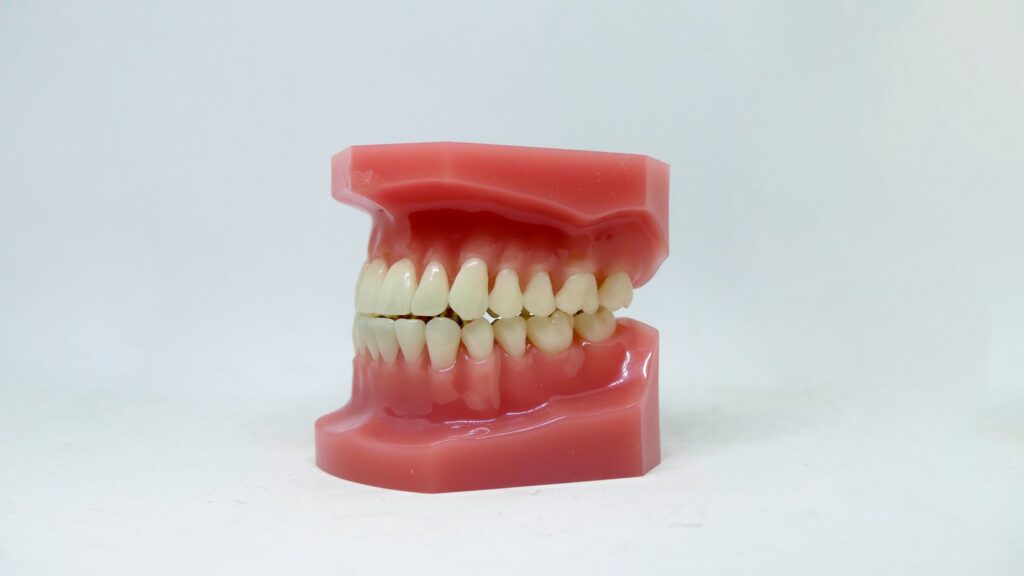
You soften it in hot water and bite into it at home. Benco, a dental supplier, describes the result as holding your jaw forward about 1 to 3 mm, with roughly ten minutes of fitting.
The maker was Ranir, now part of Perrigo. The device carries an FDA 510(k) clearance from February 2011 for adult snorers, and for adults with sleep apnea that is mild or moderate.
Can You Still Get One?
Not easily. Benco calls its Ranir case of 12 as "No Longer Available", while Well.ca in Canada has a sold-out, backordered Snore Guard at $52.49 CAD.
That Canadian listing ships inside Canada only, and prices shift, so treat the number as a snapshot from October 2026.
What the Research Says About Mouthpieces Like This
Mouthpieces that move the jaw forward have a solid track record as a group. One systematic review of 18 studies concluded that the evidence backs them for ordinary snoring, even though few trials studied snoring on its own.
A randomized trial gave 28 adults a real device and a placebo for several weeks each. The real one cut snoring loudness and frequency, and 84 percent of bed partners heard quieter snoring.
Design is where Snore Guard loses ground. A review in The Laryngoscope found custom-made and adjustable designs outperformed fixed, off-the-shelf ones.
We could not find a published trial of Snore Guard by name. The Well.ca page calls it clinically proven but points to no study.
What Wearing One Can Feel Like
Expect a sore jaw and extra saliva at first. Those were the most common complaints in the studies above, and they usually eased with time.
Wear any jaw-advancing device for years and your bite can drift. A Cureus review of studies with four or more years of follow-up found shifts in the front teeth and overbite.
The Quick Scorecard
- Cleared by the FDA: yes, since 2011.
- Easy to find today: no.
- Adjustable after fitting: no, based on the fixed-ramp design.
- Backed by research for its design type: partly, with better evidence for custom devices.
- Worth a special hunt: probably not.
Better Places to Spend Your Money
Start with our guide to whether your mouthpiece is FDA approved, because a mouthpiece that isn’t cleared by the FDA is a gamble.
Then read how mandibular advancement devices work and compare a current favorite like the Zyppah.
If you also gasp or wake exhausted, work through these five ways to test for sleep apnea before buying anything.
Your Next Quiet Night
Snore Guard was a reasonable idea in a clunky package, and it has mostly left the shelves.
Choose something you can buy this week, fit it carefully, and give it two weeks. If your partner still hears the rumble, a sleep test is the next stop.
Frequently Asked Questions
More On the Topic
- Mandibular advancement devices for primary snoring: a systematic review (De Meyer et al., 2020)
- Oral appliances for severe snoring: a randomized controlled trial (Johnston, 2001)
- Mandibular advancement appliances in obstructive sleep apnea: a systematic review (Serra-Torres et al., 2016)
- Occlusal side effects of mandibular advancement devices (Rana et al., 2023)
- FDA 510(k) record K103004 for Snore Guard