Late-Night Scrolling and Your Sleep: What to Change Tonight
Scrolling in bed feels harmless, and it’s easy to blame blue light for every bad night. The research is more mixed than the headlines, but a few habits are worth changing tonight.
Key Takeaways
- Evening light can push your body clock later. In a lab study, reading on a light-emitting device delayed sleep compared with reading print.
- Room lights count too. Ordinary room light before bed held back melatonin in 116 young adults.
- Studies don’t all agree. One small trial found no effect after a bright day.
- Blue-light glasses are unproven. A 2023 Cochrane review couldn’t say whether they help sleep.
- Loud snoring is a separate problem. Gasping or paused breathing calls for a doctor.
What Does the Research Say About Screens and Sleep?
In a controlled study, people who read on a light-emitting eReader before bed took longer to fall asleep than when they read a printed book. They also made less melatonin and felt less alert the next morning (Chang et al., PNAS).
A later study had nine healthy adults use tablets for five evenings. Their bedtimes slid about half an hour later, though the sample was small (Chinoy et al., Physiological Reports).
Is It Only the Screen?
No. In 116 young adults, ordinary room light before bed delayed melatonin onset in 99 percent of people and shortened melatonin duration by about 90 minutes (Gooley et al.).
So dim your lamps as well as your devices.
Can a Bright Day Help?
One small study found that after a long stretch of bright light, a tablet and a paper book made no difference to sleep or melatonin (Rångtell et al.). It needs repeating, but daylight is free.
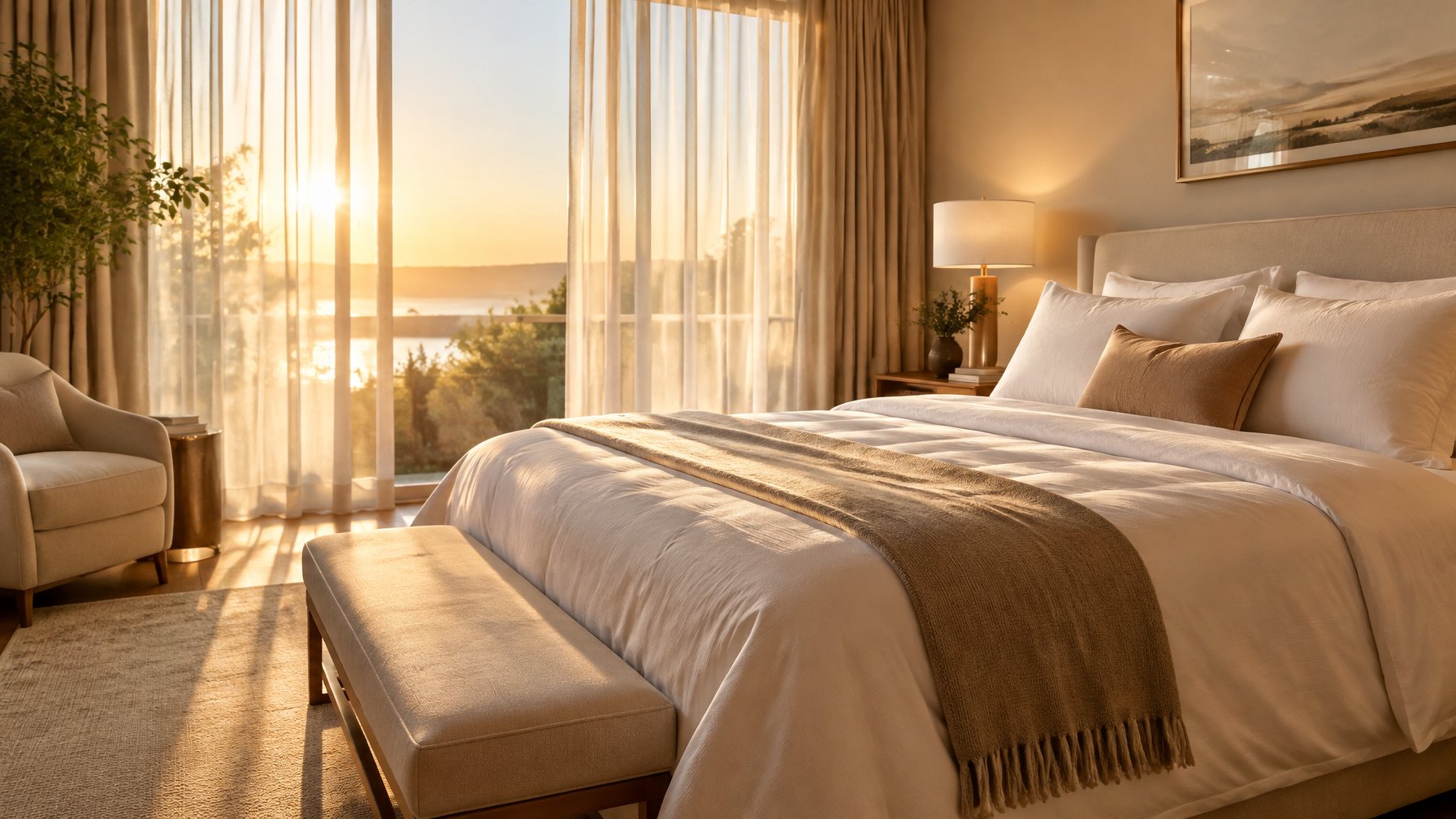
Open the blinds early and get outside when you can.
Do Blue-Light Glasses Work?
A 2023 Cochrane review of 17 trials couldn’t say whether blue-light filtering glasses improve sleep, and it rated the evidence very low certainty (Singh et al., Cochrane). If you already own a pair, fine, but don’t count on them.
Your Plan for Tonight
Start with the habits the evidence supports.
- Dim the lights for the last hour or two before bed.
- Put phones and laptops away for at least the last hour.
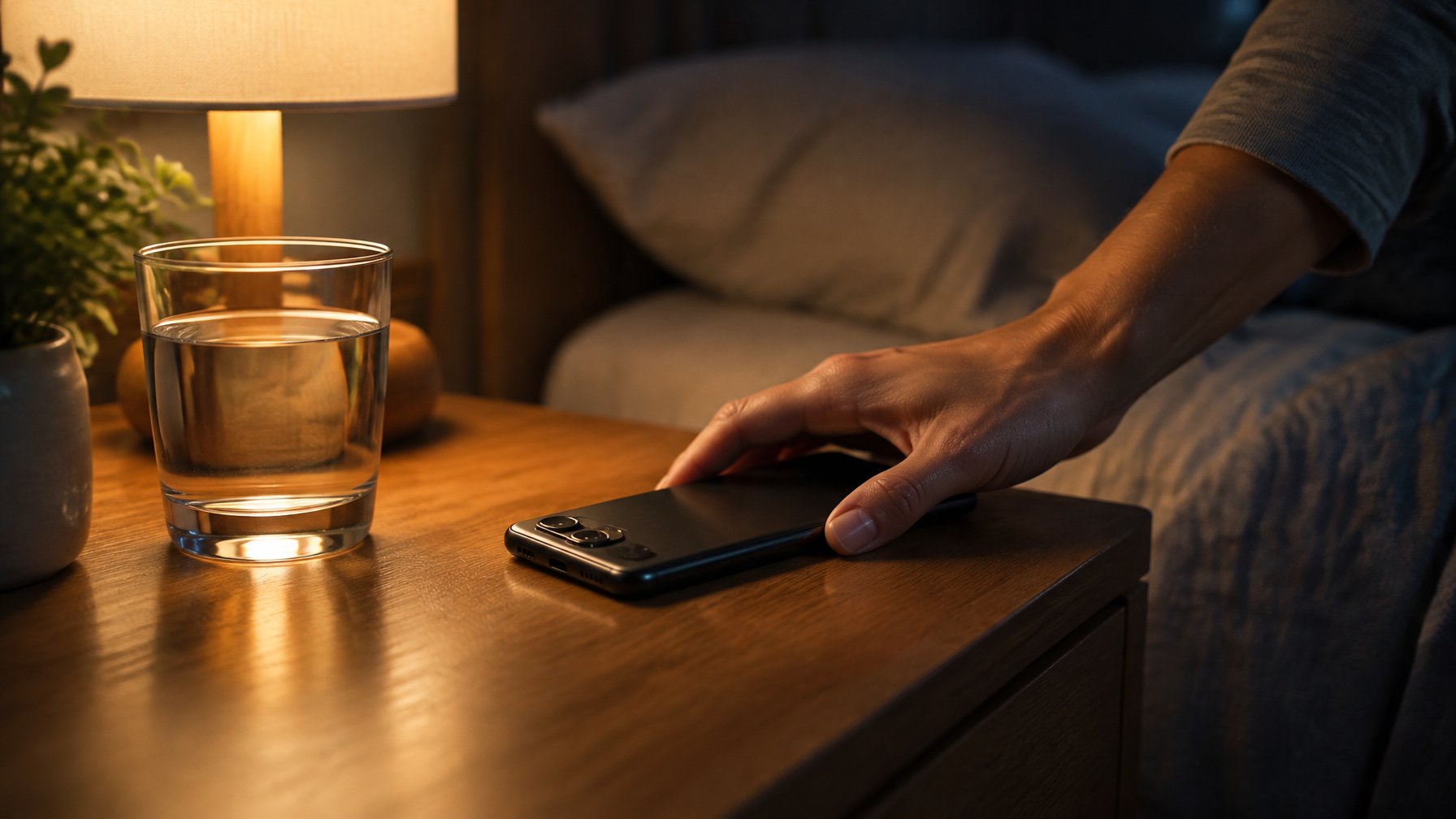
- Leave your phone face down on the nightstand, or charge it in another room.
- Read a paper book instead of a screen.
- Open the blinds first thing in the morning.
When Snoring Is Part of the Picture
Late light can push bedtime later, but it won’t explain loud snoring. If you or your partner notice gasping, choking or pauses in breathing, ask a doctor about sleep apnea (Mayo Clinic).
Our guides to the warning signs of sleep apnea and ways to stop snoring cover the basics. If you simply can’t switch off, see beating insomnia and what causes sleepless nights.
Frequently Asked Questions
Pick One Change and Try It for a Week
You don’t need a perfect routine. Choose one habit from the list and notice how you feel.
If your sleep still feels off, talk to your doctor.