Do Over-the-Counter Anti-Snoring Aids Work? A Pharmacy-Aisle Reality Check
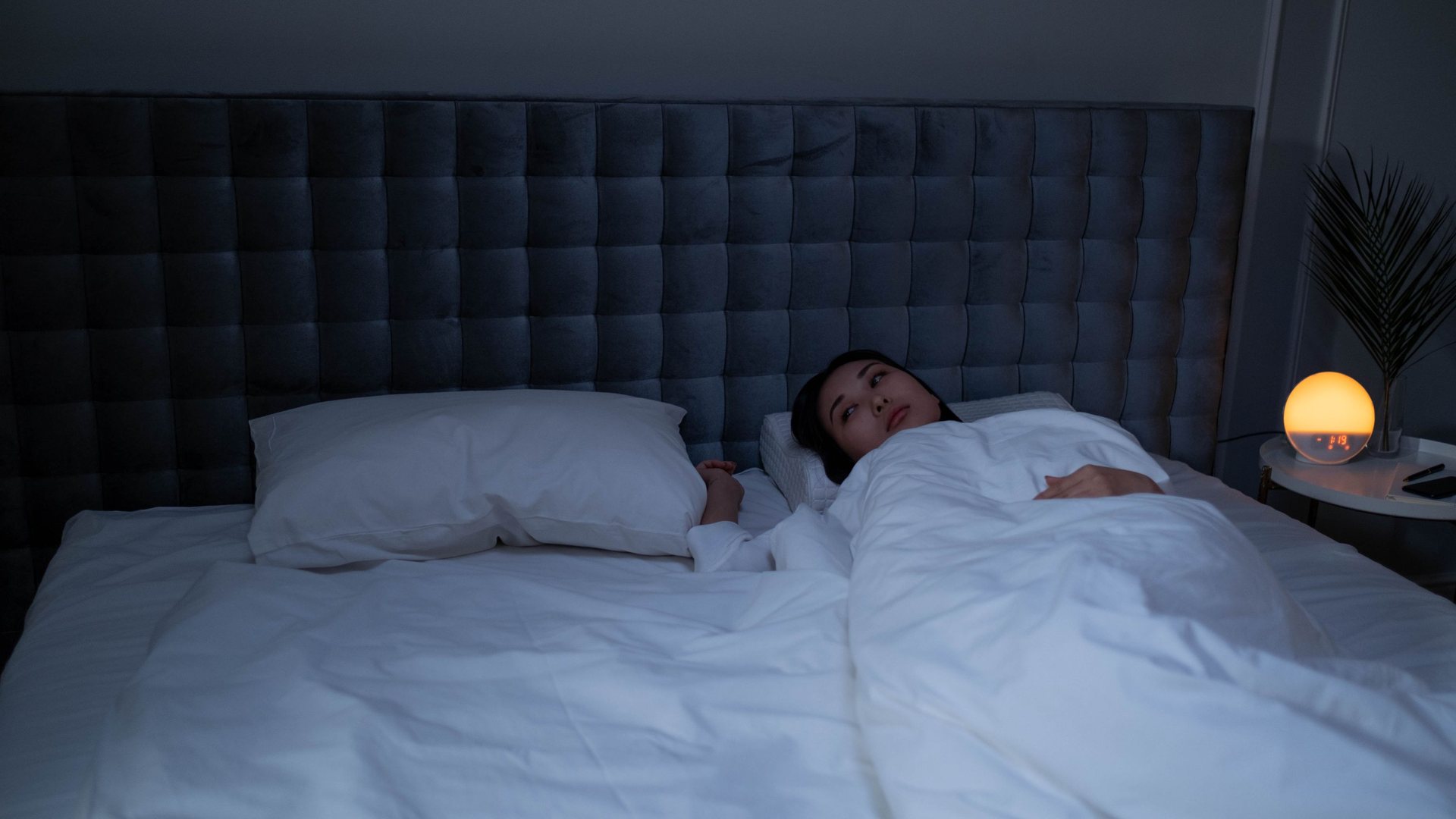
It’s one in the morning, and you are listening to the house breathe. One of those breaths sounds like a chainsaw taking a nap.
So you wander through a pharmacy, or a few shopping tabs, and every box promises a quiet bedroom for the price of a pizza. Some of those promises hold up, and some are wishful packaging.
Here is a walk down the aisle, one shelf at a time. It leans on clinical guidelines, published trials and Mayo Clinic, and it leaves out brand names and buy buttons.
Before You Spend a Dollar, Find Out Who Is Snoring
Snoring is no rarity. Close to half of adults do it, according to ENT Health, and the American Academy of Sleep Medicine says habitual snoring touches about a quarter of women and four in ten men.
Loudness will not tell you whether something bigger is going on. One in three people with sleep apnea in the Sleep Heart Health Study reported no snoring at all, a finding the Australasian Sleep Association statement lays out.
If you are unsure which camp your partner falls into, ask a doctor. Mayo Clinic notes that a sleep study may be possible at home in some cases.
Aisle One: Mouthpieces That Nudge the Jaw Forward
These devices hold the lower jaw a little forward all night. The tongue follows, and the space behind it opens up.
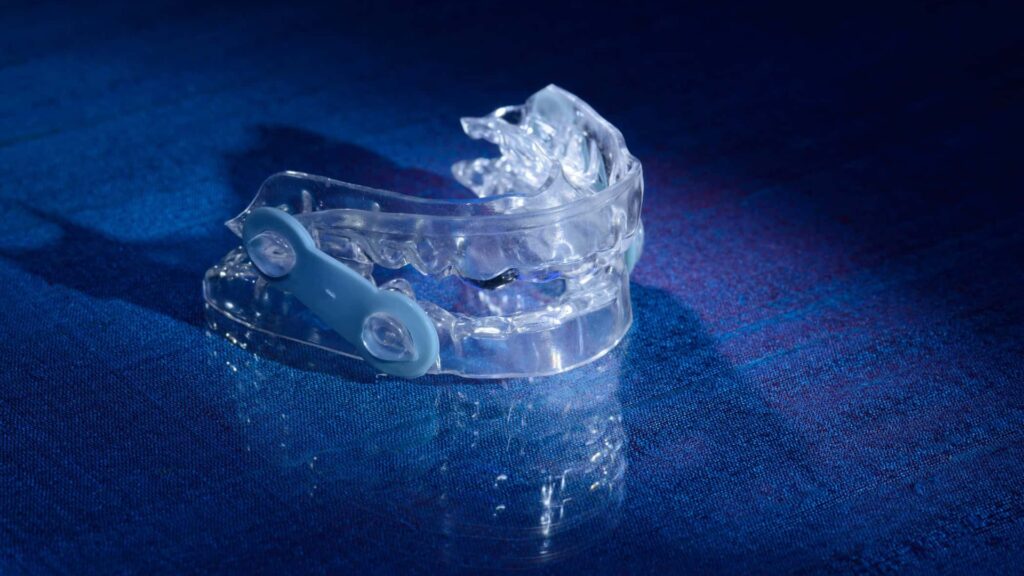
The AASM, working with its dental sleep medicine counterpart, recommends oral appliances over no treatment for grown-ups who want primary snoring treated. They grade it a Standard recommendation and say the supporting evidence is high quality.
The same guideline says these appliances cut how often and how loudly a person snores. It also says they improve sleep quality for the bed partner, which is the part you care about most at 1 a.m.
A small 2024 trial in JAMA Otolaryngology tracked 50 couples for four weeks. Partners rated snoring better for 21 of 23 mouthpiece users, against 11 of 19 in a comparison group that stacked four low-tech measures: a dilator, rinses, taping and positioning.
Not every mouthpiece is the same animal. For people with sleep apnea the guideline favors a dentist-made, adjustable device over a ready-made one, and the Australasian statement calls these devices a first choice for people with teeth, once a dentist and a physician who specializes in sleep have examined them.
There is a price besides money. Mayo Clinic warns of drooling, a dry mouth, a sore jaw and facial aches.
If you are shopping, our top points to keep in mind when buying anti-snoring mouthpieces is worth a skim first.
Aisle Two: The Tongue Holders
A tongue retaining device pulls the tongue forward with gentle suction. Picture a tiny plunger that keeps your tongue from sliding backward.
The research has not caught up with the idea. The AASM guideline found insufficient evidence to assess how well these devices work in adults with sleep apnea.
Be careful with big numbers on the box. One claim of ‘up to 80% effective’ had no source in the guidelines or papers we read.
We cover the details in our look at whether tongue retaining devices decrease snoring.
Aisle Three: Strips and Dilators for the Nose
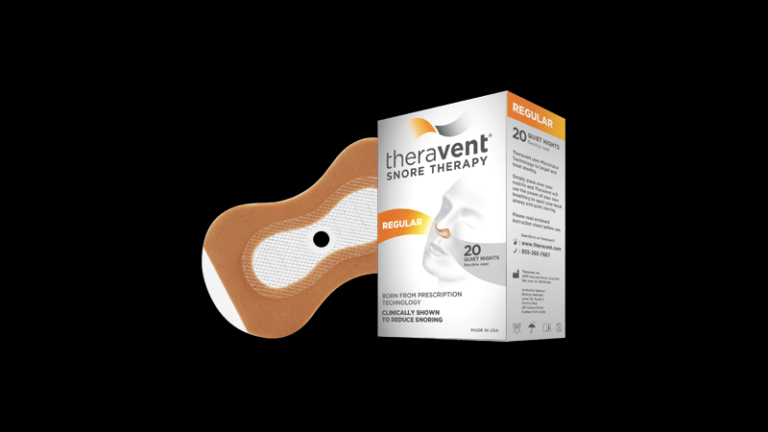
These work on the front door, not the hallway behind it. Mayo Clinic says strips and external dilators can ease breathing for plenty of people, though they fall short for sleep apnea.
A meta-analysis pooling 14 studies agrees. In patients with sleep apnea, dilators did not significantly change the apnea-hypopnea index, the lowest oxygen level or the snoring index.
So a strip suits the snorer whose nose clogs up at night. It will not rescue a snorer whose trouble starts in the throat.
Aisle Four: The Humidifier
We looked for a trial in which a bedroom humidifier quieted snoring and did not find one. It is absent from Mayo Clinic’s treatment list, from the ENT Health page and from the Australasian statement.
That does not make it useless for comfort in dry air. Our humidifier and snoring explainer covers that side.
What the Packaging Will Not Tell You
Boxes rarely mention sample sizes. The couples trial above was a pilot, so the numbers point a direction and do not settle the question.
Mayo Clinic adds a warning of its own, that clinical trials have not backed up most alternative snoring remedies. Treat any glossy promise as a question to check, not an answer.
Want the whole shelf at a glance? Our guide to snoring aids and stop snoring devices lays it out.
Your Next Three Nights
Night one, ask your partner to note when the noise starts, and whether it changes when they roll over. Per the Australasian statement, a side-sleeping position helps those whose snoring shows up on their backs.
Night two, try the free fixes. Mayo Clinic puts lifestyle changes first, including losing weight, skipping alcohol near bedtime and treating a stuffy nose.
Night three, decide. If nothing changed, a jaw-forward mouthpiece has the strongest evidence, and a doctor or dentist can tell you whether it fits you.
Frequently Asked Questions
More On the Topic
- Oral appliance guideline from the AASM and AADSM
- Couples trial of jaw-forward mouthpieces in JAMA Otolaryngology
- Pooled study of nasal dilators and apnea outcomes
- Mayo Clinic’s snoring treatment page
- ENT Health snoring overview for adults
Related reading: Nasal Strips for Snoring: A Straight Answer Before You Buy a Box.