Zyppah Snoring Mouthpiece Review
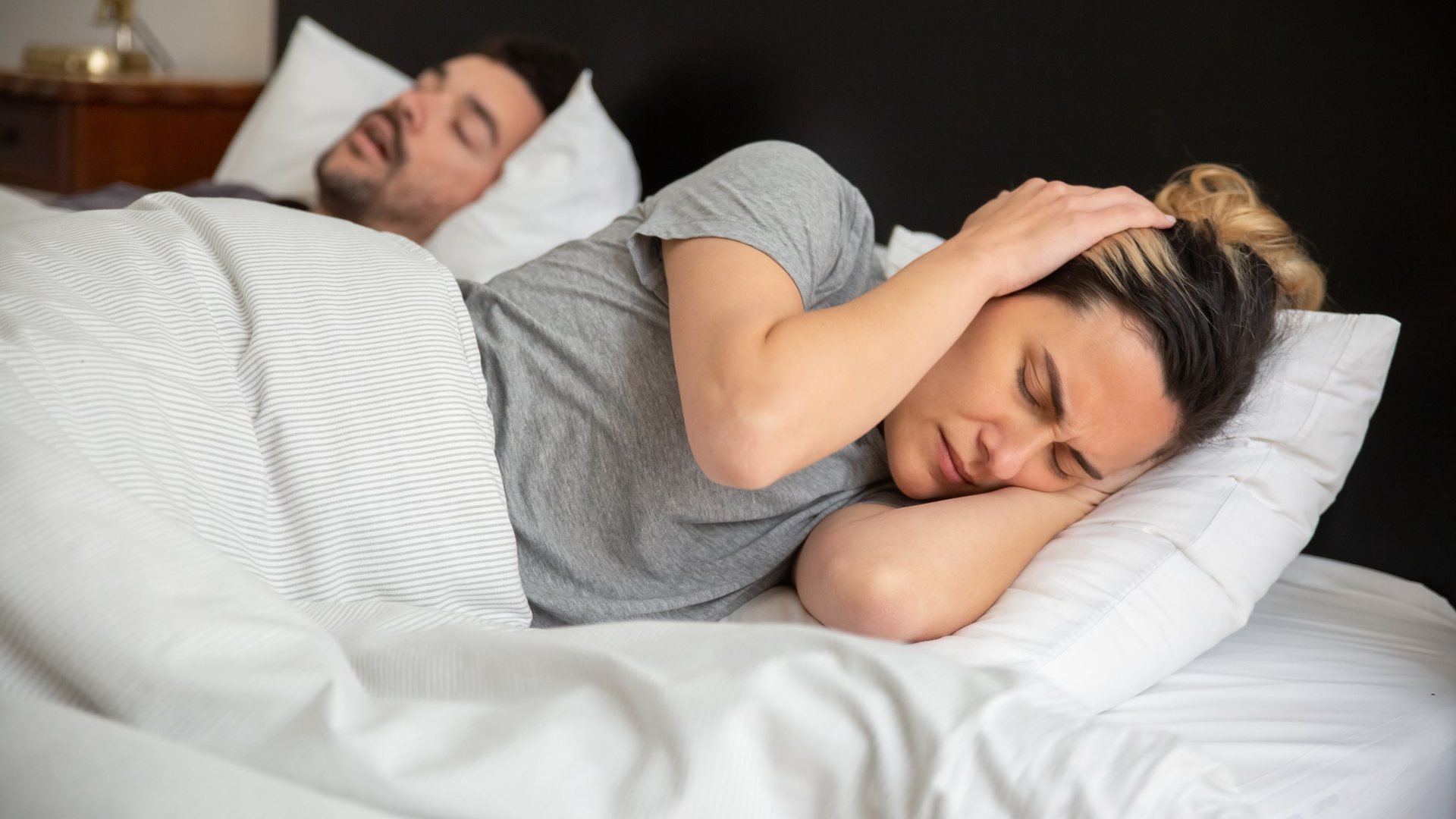
You know the sound before you know you’re awake. It rolls across the bed like a freight train with a head cold, and you lie there doing math about how many hours are left.
Maybe you’re the one making that noise, or maybe you’re the one keeping score. Either way, a mouthpiece called Zyppah has probably landed on your screen, and you want to know if it earns its price.
Here’s the short version: it can quiet plain snoring, and it can’t touch sleep apnea. The rest of this review helps you tell those two apart and decide whether $99.95 is a fair bet.
Full disclosure: when you click one of the affiliate links here and buy, SnoreNation earns a small cut. Your price stays the same, and the evidence below doesn’t bend for it.
What Zyppah Is, in Plain Terms
Zyppah is a mouthpiece that does two jobs at once. It holds your lower jaw slightly forward, and a soft strap keeps your tongue from sliding back.
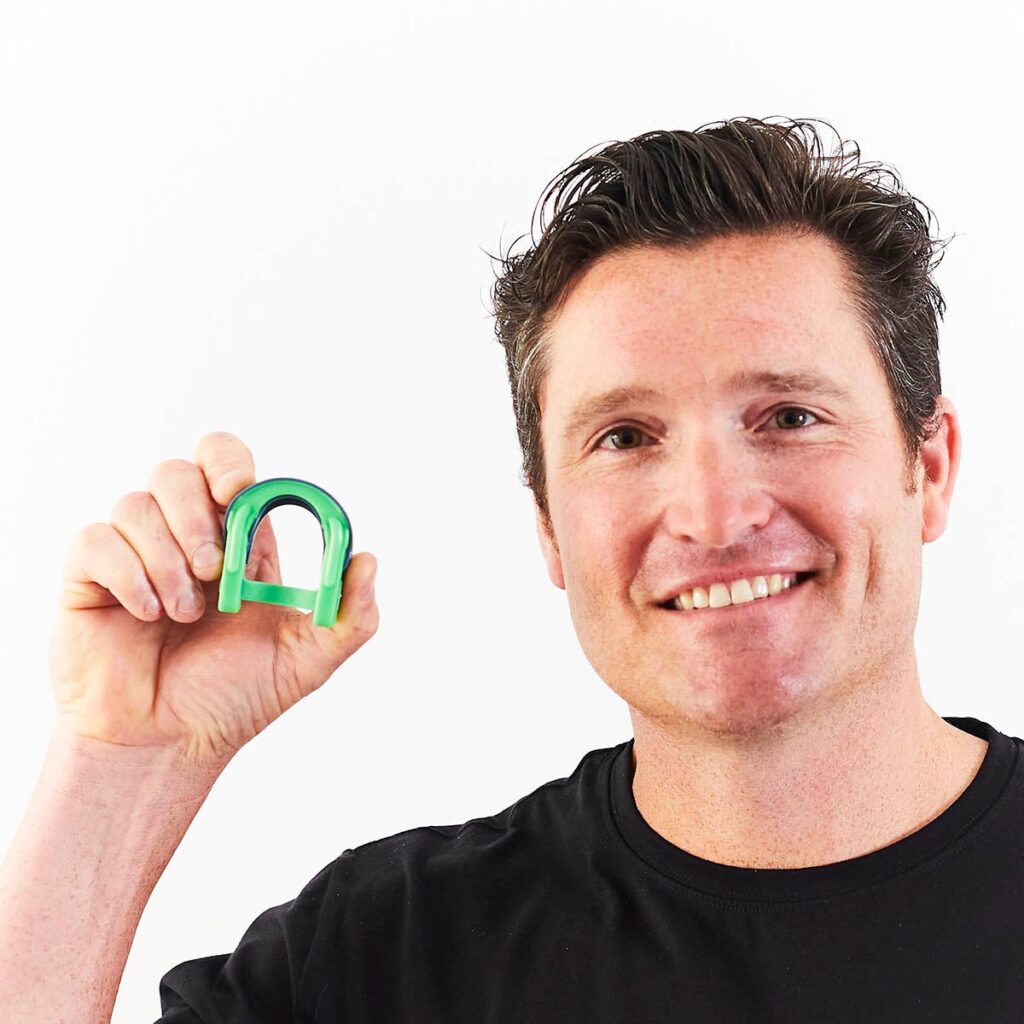
That second job makes it a hybrid. Most mouthpieces only move the jaw, and some devices only hold the tongue, so Zyppah borrows from both camps.
The FDA cleared it in January 2019 (510(k) number K182312) to help reduce snoring in adults aged 18 and up, no prescription needed. Clearance isn’t the same as approval, but it does mean the device went through a federal review.
Notice the age limit. If a child in your house snores, that’s a question for a pediatrician, not a boil-and-fit mouthpiece.
Getting It Into Your Mouth
Fitting happens at your kitchen counter. Zyppah’s directions use water just short of boiling, a 40 second soak, and tongs for the lift-out.
Read the steps twice before you start. Nothing in the mouthpiece guides your teeth into place, so the fit rewards patience.
Bridgework, crowns, loose teeth and dentures all rule this device out. A mouthpiece that grips your teeth needs teeth that can take the pressure.
What the First Few Nights Can Feel Like
Expect something in your mouth that your body doesn’t recognize. Sore jaws and extra saliva are the usual complaints with this kind of device.
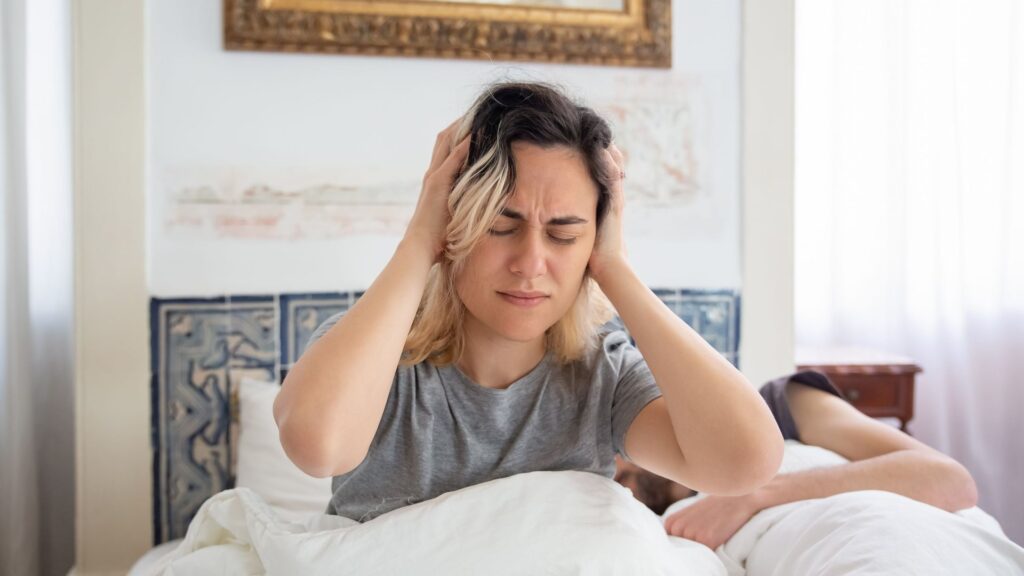
Across 18 studies in a 2020 systematic review, sore jaw joints and extra saliva were the common side effects, and both faded with time. That’s reassuring, but it isn’t a promise about your jaw.
The tongue strap adds its own wrinkle. Several Amazon reviewers say it made them gag, so think about how you handle things at the back of your mouth.
If your jaw still hurts after a couple of weeks, or your bite feels off, stop wearing it and call a dentist.
What the Research Says, Without the Hype
Start with the category. The 2015 AASM and AADSM guideline sides with it: for adults who want snoring treated and don’t have sleep apnea, it picks an oral appliance over doing nothing.
A small 2024 trial in JAMA Otolaryngology let partners do the judging. They scored 21 of 23 device users as better and 11 of 19 home-remedy users as better.
The remedies included saline rinse, mouth taping, nasal strips and sleeping on your side. Fifty couples is a small crowd, and no brand is named in the write-up, so it speaks for the category and not for Zyppah.
Now the maker’s own data. In a 2019 study, 570 people finished a 10-day trial, 91% reported benefits, and snoring scores improved by 67%.
Nobody got a placebo, nothing was measured in a lab, and the authors disclose a tie to Zyppah, Inc. Call it a hopeful signal, not proof.
One more catch: the tested device steadied the tongue without shifting the jaw, and the ads now promise both.
How to Run a Fair Test With Your Partner
Good intentions make bad judges at 3 a.m. Set up a test before the mouthpiece arrives so you aren’t arguing from memory.
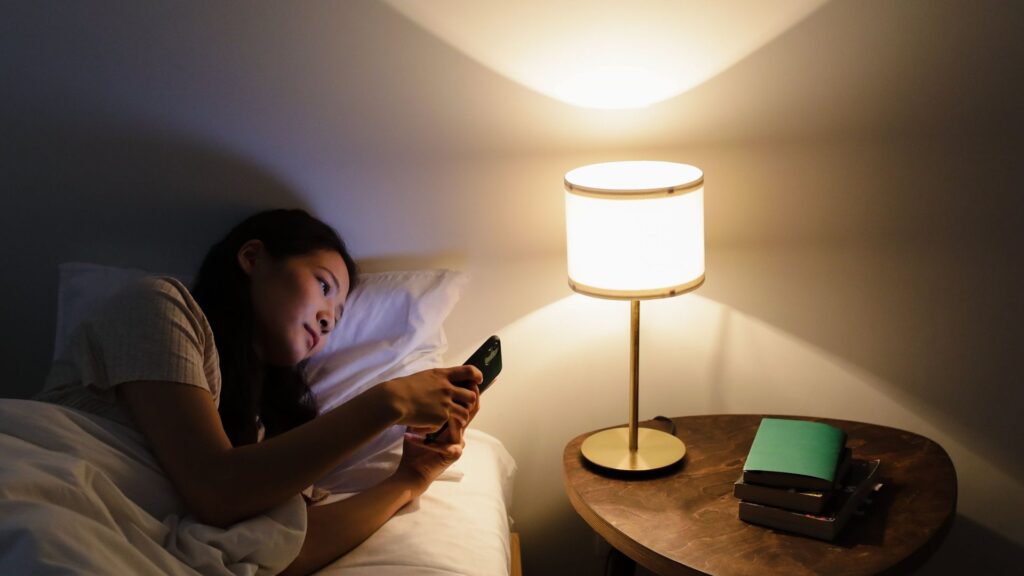
- Record a few nights of snoring with a phone before you start, and a few nights after.
- Have your partner rate the noise on a simple 1 to 10 scale each morning.
- Give your jaw a few nights to settle before you call the result.
- File the confirmation email somewhere you’ll find it, and fit the device as soon as it arrives.
That last item matters because of the return window. A forgotten box in the closet is how a refund quietly expires.
When the Snoring Is Telling You Something Else
Snoring and sleep apnea share a bedroom, and sometimes a bed. A mouthpiece can quiet one and do nothing for the other.
A 2015 Finnish study followed 5,177 adults. Snoring alone didn’t predict later cardiovascular events, but breathing pauses seen by a partner (hazard ratio 2.19) and extremely loud, irregular snoring (1.82) did.
Watch for pauses in breathing, gasping awake, and heavy sleepiness in the daytime. If you see them, book a sleep test first, because Zyppah’s own FDA summary draws the line at snoring and leaves obstructive sleep apnea alone.
Price, Guarantee and the Amazon Question
Zyppah’s own site charges $99.95 for one device as of October 2026, off the $129.95 sticker price. Two devices come as a $190.00 double pack, which helps if you and your partner both need one.
Add mouth tape for $107.00 or nasal strips for $109.00 and you’ve got a bundle. Sale prices come and go, so confirm on the page.
Zyppah promises your money back within 91 days. We couldn’t load the whole returns policy, so read the terms before paying.
Amazon carries a Z-91 listing at $99.95 too, averaging 2.7 stars over 37 ratings. Zyppah’s site insists it sells only through its own store, so find out who’s selling on Amazon.
Zyppah or Something Else?
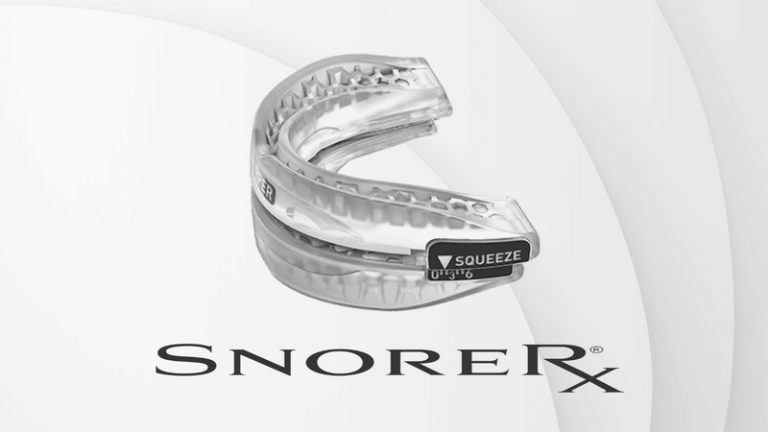
Torn between two? Our head-to-head, SnoreRx Vs. Zyppah, sets a jaw-only design beside the hybrid.
If a mouthpiece makes you nervous, a tongue device is the other road. Start with our look at whether tongue retaining devices work, then decide.
Tongue devices have mostly been studied in people with diagnosed sleep apnea. In a review of 16 small trials, they lowered apnea scores, which is a different job than quieting a snore.
Confused by the word “approved”? Is your snoring mouthpiece FDA approved? untangles it, and our cleaning guide for Zyppah and other mouth guards keeps whatever you buy fresh.
Frequently Asked Questions
Your Next Quiet Night Starts Here
Zyppah isn’t magic, and it isn’t a scam. It’s a reasonable first try for plain snoring, backed by a category the guidelines support and a maker’s study that deserves a raised eyebrow.
Rule out sleep apnea, run a fair test, and keep your receipt. Then let the quiet tell you the rest.