Hear Someone Grinding at Night? A Practical Plan to Calm It
You’re lying next to someone who sounds like they’re crunching gravel. Or maybe you’re the one waking up with a tight jaw and wondering why.
Teeth grinding in sleep is easy to miss and easy to brush off. Here’s how to spot it, what you can do at home, and when to hand it to a dentist.
Key Takeaways
- Listen first. A scraping or clicking sound, a sore jaw, or flat spots on teeth are the clues a partner or dentist usually notices.
- Try the easy things. A calmer evening routine and a relaxed jaw are low risk, and a small trial found sleep hygiene with muscle relaxation lowered grinding about as well as a splint.
- Bring in a dentist. A guard can protect enamel, and the research on whether it stops the habit itself is still thin.
How Can You Tell Someone Is Grinding in Their Sleep?
Start with the sound. It can be a rasp, a squeak, or a rhythmic tapping, and it often comes in short bursts.
Then look at the morning. Jaw soreness, a dull headache near the temples, and teeth that feel sensitive are all worth writing down.
If you’re the sleeper, ask your partner what they hear, or ask your dentist to check your teeth for wear. Our guide to why you might grind your teeth when you sleep goes through the usual suspects.
What Does Grinding Do to Your Mouth?
Over time, grinding can wear down enamel and leave teeth sore. It can also leave the jaw muscles tired and tender.
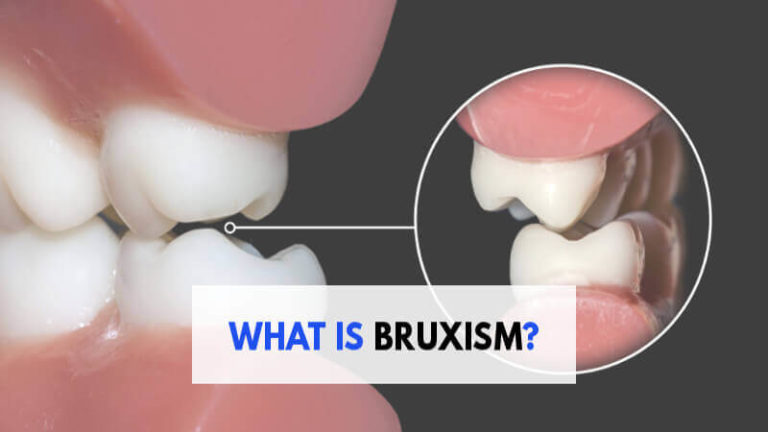
That’s why we like a clear picture of what bruxism is before you shop for anything. Knowing the basics helps you ask better questions at the dentist.
What Can You Try in the Evening?
A calm wind-down is the best place to start, because it costs nothing. In a 2024 trial of 66 people, sleep hygiene plus progressive muscle relaxation reduced grinding episodes, and so did an occlusal device.

The authors found no significant difference between the two groups.
Here are a few things to try for a couple of weeks:
- Keep the last hour before bed quiet and dim.
- Do a slow tense-and-release routine through your shoulders, neck, and face.
- Cut back on late caffeine and alcohol and see if mornings feel different.
- Skip chewing gum and pens at night, since they keep your jaw busy.
Sleep apnea and loud snoring can overlap with grinding, so our post on what to do when your partner wakes up gasping is worth a read if that sounds familiar.
What Should You Do With Your Jaw During the Day?
Many people clench while they focus on a screen or a task. A simple reset helps: lips together, teeth apart, tongue resting softly.
Set a quiet reminder on your phone a few times a day. When it goes off, check your jaw and let it drop.
Some people like a warm cloth on the jaw muscles in the evening. It’s a comfort step, not a cure, so use it alongside the other habits.
Do Night Guards Help?
They can protect teeth from wear. What they don’t clearly do is stop the grinding itself.
A Cochrane review of five trials found no significant difference for splints on the one outcome it could pool. The authors said evidence was insufficient to call splints effective for sleep bruxism, though they might help with tooth wear.
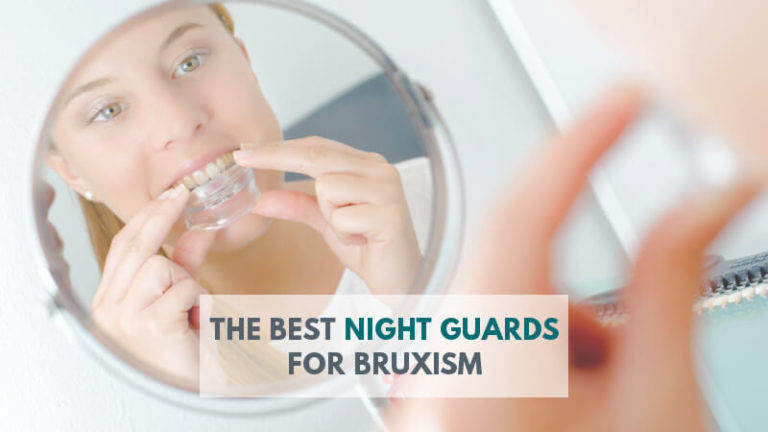
If you want to compare products, our look at the best night guards for bruxism is a good place to start. For a broader overview of options, see our page on bruxism treatment.
When Should You See a Dentist or Doctor?
See a dentist if you notice chipped or loose teeth, a jaw that clicks or locks, or pain that doesn’t ease. A dentist can check the damage and fit a guard properly.
See a doctor if the grinding comes with loud snoring, gasping, or heavy daytime sleepiness. A sleep test can show whether breathing is part of the story, and the research on that link is still mixed.
Frequently Asked Questions
Your Next Step: Make a Plan for the Next Two Weeks
Pick two habits from this list and keep notes on your mornings. Book a dental visit if the soreness sticks around.
For more help finding the right habits, read our guide on how to stop grinding your teeth.